fbpx
Home Blog Page 1454

Digest # 144: Talking to Kids about Race

0
Digest # 144: Talking to Kids about Race

We know that kids notice race, and pretending to be color blind just does not work. We all have implicit biases, even if we don’t want them and are not explicitly biased. However, it is difficult for adults to talk about race issues, and teaching our kids about them can seem even more daunting. So, for this week’s digest, we have a roundup of resources aimed at helping parents, or teachers, talk to kids about race.

1. Guide to Allyship by Amélie Lamont, @amelielamont

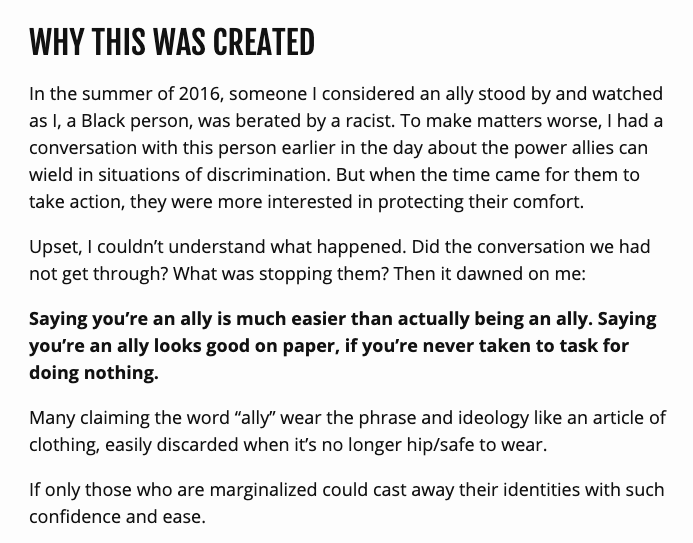
Before talking to your kids, it might be helpful to read on what it means to be an Ally, and how to handle some of the situations we encounter regularly. The author explains their reasons for creating the guide best:

How to Entertain Your Kids This Summer

0
How to Entertain Your Kids This Summer

Housework can also become a form of play, and depending on how well or poorly your children do it, may be some help. In the 19th century, Hodgkinson said, “children were seen as not necessarily a burden on the household, but a welcome labor force.” Employ them.

“The thing to remember is that kids want to help, so try to get them in the habit of doing some of those things,” Lenore Skenazy, president of Let Grow, a nonprofit promoting childhood independence, said. “A 3-year-old separating laundry is quite possible and also quite fun. Six-year-olds can be making breakfast.” So, yes, children can cook, they can clean. If you can take a few extra minutes to gamify the chore — Mary Poppins’s “Spoonful of Sugar” approach — they may even enjoy it.

A pandemic isn’t forever. Probably. So if it’s easier, leave historical practice aside, give guilt the vacation that you can’t take and get through it. “Don’t think that there’s something wrong with you or that you haven’t been the perfect camp counselor and made it a fun and exciting and rewarding summer for everyone,” Skenazy said. “I mean, just give yourself a break.”

If that break involves a lot of screens, remember that new entertainment forms and technologies — from the written word on — have always attracted suspicion that they will pulp or corrupt young minds. And most of us have turned out OK, no matter how many “Smurfs” episodes we may have once absorbed. Video games provide an opportunity to socialize, a streamed musical is still a musical, a virtual tour of a gallery or museum isn’t the same as wandering the halls yourself, but take what you can get.

In general, find out what your children like to do and encourage them to do it. Or go with the obverse: When you have time available, make them do stuff that you like. In my case, that means playing board games and watching toy theater videos on YouTube, plus the occasional Hayao Miyazaki movie. Or the more than occasional one.

“Just let them watch a lot of films,” Hodgkinson said. “It’s temporary, it’s not forever. We really shouldn’t be too hard on ourselves.”

The Class of 2021 Could Change College Admissions Forever

0
The Class of 2021 Could Change College Admissions Forever

This week, we are publishing the work of all the winners and runners-up in the high school and middle school categories of our Seventh Annual Student Editorial Contest. You can find them all in this column.


“The Class of 2021 Could Change College Admissions Forever”
By Erin Tan, age 16, Middlesex County Academy for Science, Mathematics, and Engineering Technologies, Edison, N.J.

Junior year of high school is notorious for being the most stressful, acne-inducing year of a teenager’s life. With college applications fast approaching, students scramble to bump up their course rigor and boost their grade point averages. On top of that, they have to find time to prepare, and pay, for the SAT, ACT, subject tests and Advanced Placement exams.

By mid-March, I was starting to feel the heat: It seemed like I had two tests every day and four projects a week. If this kept up for three more months I would implode from stress. Then a global pandemic shut schools down indefinitely.

The high school class of 2021 just lucked out hard. In the busiest part of our hardest year of high school, we get to have school from home and abridged open note A.P. exams. Because of all these changes, our college admissions are going to be much more complex. Maybe that’s a good thing.

Ahead of the fall of 2021 college application period, many universities across the nation have announced modifications to their application requirements, specifically for standardized testing. Massachusetts Institute of Technology, for example, will not consider SAT subject tests. Dozens of other colleges and universities have dropped the SAT and ACT altogether, with some schools even amending their admissions requirements beyond fall of 2021. If this precedent catches on, the landscape of college admissions, as well as the overall high school experience, will change drastically.

Colleges claim to value a student’s character in the admissions process. “It’s not enough just to be smart at top schools,” says Angela Dunnham, former assistant director of admissions at Dartmouth College. “Students must also show that they’ll be good classmates and community builders.” If this were truly the case, then an applicant’s essay and extracurriculars would hold equal or more weight than a test score or G.P.A. After all, there’s nothing about a multiple choice test that showcases a student’s creativity or versatility.

Placing less emphasis on standardized testing will remove an added stressor that students face during high school. Students have accustomed themselves to the reality that if they are poor test takers, they will automatically disqualify themselves from admission at most top-tier colleges. Additionally, the high costs of taking and preparing for these tests have made standardized testing a catalyst for socioeconomic privilege.

The Plastic Straw Straw Man

0
The Plastic Straw Straw Man

But can our bid to save the turtles simply be validated by the aftertaste of soggy cardboard?

Unfortunately, the solace that we find in using paper straws is largely imagined, as plastic straws only represent a tiny fraction of the plastic littered across Earth’s beaches. According to National Geographic, just 0.025 percent of all annual plastic waste is made up of straws, meaning that even if we eradicated every single turtle-impaler on the planet, we would still be left with 7,998,000 tons of plastic flowing into our oceans every year. At that rate, we will have more plastic waste than fish in the seas by 2050, rendering the efforts of even the strictest plastic straw abstainers largely unsuccessful.

This is not to say that environmentally-conscious consumer decisions are futile. As the refrain goes, small changes can eventually go on to make a big difference. However, in a world where rapid declines in marine biodiversity and consistently rising plastic waste production show no signs of slowing down anytime soon, we cannot afford the luxury of gradual change. We have lost sight of the forest for the trees, and it is time to expand our focus to the biggest polluters: environmentally irresponsible corporations.

While the world has largely focused on tackling the plastic straw straw man, a convenient scapegoat to blame for our environmental woes, issues such as the fishing industry’s disposal of fishing gear that make up 46 percent of the Great Pacific Garbage Patch have lost the attention they deserve, according to The New York Times. In our fight against ocean pollution, merely shunning single-use plastics will not be the solution. We need active voices to call for increased governmental regulations to keep industries in check and reduce plastic waste by more than just a mere 0.025 percent.

Mother Nature is growing impatient, and it is time to not only make individual lifestyle changes, but also hold governments and large corporations accountable for environmental destruction. Only then can we take a moment to sit back and enjoy a celebratory toast. Sipping straight from the cup, of course.

Works Cited

Gibbens, Sarah. “A Brief History of How Plastic Straws Took over the World.” National Geographic, 2 Jan. 2019.

Kaplan, Sarah. “By 2050, There Will Be More Plastic than Fish in the World’s Oceans, Study Says.” The Washington Post, 20 Jan. 2016.

Lee, Jane J. “How Did Sea Turtle Get a Straw Up Its Nose?” National Geographic, 17 Aug. 2015.

McKeough, Tim. “A Sea Change for Plastic.” The New York Times, 20 Nov. 2019.

No Love of Milton if Not for Loving Frivolous Fiction

0
No Love of Milton if Not for Loving Frivolous Fiction

When I displayed my more modest personal bookshelf, featuring shiny-foiled fantasy and colorful young adult novels, he bemoaned, “My dad won’t let me read anything un-classic. He thinks it’s a waste of time.”

I was immediately indignant over his dad’s attitude. How could you own so many books, yet deride almost every genre? But how would I, a high schooler, have more valid tastes than a scholar and elevated press editor?

Most of the books in my house are bright and sparkly, characterizing my reader origins: Rainbow Magic, Candy Apple, Dork Diaries, Popularity Papers. Motifs include magical creatures, “distracting” font choices, unrealistic high school drama, crushes, mean girls. Also present is a subsection of young adult, with the same elements. I devoured these wastes of time.

But today, I whittle away at classics, fully appreciative of their cultural significance and artistry. My recent leisure reads include Austen, Beckett, Hugo and Neruda. Next to heist fantasy “Six of Crows,” social media teen romance “Tweet Cute,” and graphic novel “Pumpkinheads,” of course. Such “frivolous” genre reads can be meaningful in their own right, offering breaks from the density of both classics and real life. Most importantly, they’re fuel for the reading habit that’s significantly linked to success and well-being.

This habit is created, as described by editor Pamela Paul, by experiencing reading not as “spinach,” but as “chocolate cake”— not necessarily full of nutrients, but deliciously addictive. (Perhaps the spinach becomes chocolate cake: Homer’s “Odyssey” after reading “Goddess Girls,” “Pygmalion” after “Princess Diaries,” “Dr. Jekyll and Mr. Hyde” after “Her Evil Twin.”)

Spotify Is Killing Beethoven … Here’s How You Can Save Him!

0
Spotify Is Killing Beethoven … Here’s How You Can Save Him!

Since the start of this century, the popularity of all traditional classical music platforms has been plummeting. The percentage of adults attending classical music performances declined from 11.6 percent to 8.6 percent between 2002 and 2017, whereas participation in all other genres rose by as high as 15.7 percent. In the year 2012 alone, classical album sales decreased by 21 percent. The ingenuity of Beethoven is becoming increasingly impotent against the ferocious attraction of pop music.

In this age of the internet, one can easily avoid the blame of such tragedy by claiming that classical pieces moved online. However, it is precisely metadata — the algorithm based on the album, song and artist that popular music streaming platforms use — that has been impeding their digital growth. How can Spotify accurately place into its categories the second movement of Beethoven’s Symphony No. 9 played by the Los Angeles Philharmonic Orchestra and conducted by Gustavo Dudamel? As a result, classical music presently constitutes less than one percent of all streaming services, lagging behind its 2.5 percent of American album sales.

Ultimately, society’s abandonment of classical music stems from modern cultural changes. Since the mid-20th century, Western society has developed a countercultural attitude that readily questions established authority, the classical canons included. Encountering a myriad new adrenaline-charged music styles, people eschew the slow-paced, less immediately accessible classical music. Plagued by modern populism, those in search of easy numbness dub classical music “elitist,” using it as a convenient excuse to turn away from the elusive genre.

In rejecting classical music, we neglect its unique and timeless emotional depth. It is an abstract representation of the composers’ meditations on the world, expressing complexities when words are inadequate. Cambridge composer John Borstlap asserts that classical music offers an “alternative to the modern world” instead of the “reflection” or escape from reality that people seek in pop lyrics about sex or drugs. From Brahms’s melancholic tunes, to Schumann’s rhythmic introversions, to Tchaikovsky’s impressive harmonies, classical pieces preserve our inner peace to balance out the external bombardment of indigestible information from society. Such is the perennial virtue of classical music.

Despite the current waning of classical music, its future remains hopeful as long as we embrace its fruits and pass on its legacy. Go to a local concert. Pick up an instrument. Advocate for classical music education in schools, starting from childhood. Download apps like Idagio and Primephonic — streaming platforms devoted to classical music, search for a serenade, and feel how your soul soars with every chord.

Works Cited

Borstlap, John. “The Relevance of Classical Music.” The Imaginative Conservative, 29 April 2017.

Sisario, Ben. “In Streaming Age, Classical Music Gets Lost in the Metadata.” The New York Times, 23 June 2019.

“U.S. Trends in Arts Attendance and Literary Reading: 2002-2017.” National Endowment for the Arts, Sept. 2018.

Top 25 online courses in Oman – June 2020

0
Top 25 online courses in Oman – June 2020

Oman has been one of the forerunners of e-learning in the Middle East. With a significant emphasis on IT and education, many people in the country are taking online courses. 


The COVID-19 pandemic has changed the way the world works. We are all having to adapt to a new situation, at least until some long-term solutions are found. We launched our COVID-19 course back in March, and it’s been one of our most popular ever since. It gives you everything you need to know about the virus and how it spreads, as well as what we need to do to combat it. 

Join today


There are many English teaching opportunities in Oman. It’s a language that’s in high demand across the world. And, with the ever-improving technology at our disposal, online teaching is also becoming popular. With this course, you’ll learn how to transfer your teaching skills to an online environment. You’ll also develop strategies to be an effective online teacher. 

Join today


English remains among the most popular languages spoken in the world. More than 1.2 billion speak it, making it a valuable tool in a professional capacity. But the language of the workplace is different from everyday English. This course helps you build your vocabulary and grammar centred around a workplace environment.  It’s developed by the British Council and has a rating of 4.8 out of 5 stars. 

Join today


In the last few months, many teachers have been grappling with how to transfer their teaching methods to a virtual classroom. Even the most experienced practitioners have faced challenges. With this course, we’ve outlined some of the practical steps you can take towards teaching online and supporting your students. It focuses on how to adapt your practice and describes techniques for keeping your students engaged with their work. 

Join today


The IELTS is one of the most popular English assessments in the world, and Oman is home to 12 different test centres, located around the country. The test itself can be challenging, comprising four sections. This program from the British Council has a course each on reading, writing, speaking and listening. It can help you prepare for what to expect from each exam, as well as how to maximise your performance in each. 

Join today


Antibiotic resistance is a major global threat. Antibiotics have long been used as a panacea, resulting in the rise of drug-resistant bacteria and superbugs. This course looks at how genome sequencing can help to identify and track these bacteria. You’ll learn about some of the technologies involved, as well as the mechanisms of transmission and resistance. 

Join today


The IELTS speaking test is among the trickier of the four assessment areas. Although it only lasts around 14 minutes, you’ll have to work on your comprehension, listening and speaking abilities. This British Council course gives you the opportunity to fully prepare for what to expect during the exam. You’ll also develop strategies that can help you reach your full potential. 

Join today


There are two tasks you’ll need to complete during the IELTS writing test. Over 60 minutes, you’ll need to write two essays, one describing some visual information, and the other responding to an argument or point of view. There are some tried and tested approaches to this section of the exam, and this course covers them in detail. 

Join today


Data is used across just about every industry to inform decisions and drive productivity. However, it’s also a bit of a buzzword that people throw around without really knowing what it means. On this course, you’ll look at examples of how organisations use data to drive value. You’ll also learn how to identify some of the opportunities within your own organisation. 

Join today


Over 15,000 students from Oman study at universities and institutions overseas. Many of these go to English-speaking countries for their studies. However, academic writing is often quite different from everyday forms of English. With this course from the University of Reading, you’ll learn some of the vocabulary and grammar you’ll need, as well as how to write in an academic style. 

Join today


As teachers, continuing professional development (CPD) plays an important role in your career. There are several areas you can focus on for CPD, and for English language teachers, the landscape frequently changes. With this British Council course, you’ll look at four essential areas, including understanding learners and using inclusive practices. You’ll hear from experienced teachers working in classrooms around the world. 

Join today


The works of William Shakespeare are taught in schools across the world. They’re an important part of the English language and can be used as a tool for improving your skills in the language. With this course from the British Council, you’ll look at the life and works of the playwright. It focuses on five of his most famous plays and includes input from actors and experts from around the world. 

Join today


All successful businesses need a good HR team. They’re essential to protecting the people that make organisations effective. This course looks at some of the fundamentals that HR professionals need in their career. You’ll learn about HR teams and their role within the business, as well as the basics of planning, recruitment and retention. The course has a rating of 4.8 out of 5 stars from our learners. 

Join today


Online learning has many benefits. It brings flexibility, freedom, and convenience to your learning journey. However, it can take some adjusting if you’re new to it. You’ll need to develop a study skill set to be effective, and this course can help you develop one. You’ll look at your own learning style, as well as some of the teaching methods you might encounter during your studies. 

Join today


Research projects present the perfect opportunity for you to show your academic curiosity and creativity. Undertaking such a project gives you the chance to explore your interests in a variety of different subjects. With this course, you’ll learn how to harness your curiosity and apply your creativity in a structured way. You’ll find out about every step of the research process, helping you craft your own successful project. 

Join today


Planning is what makes a lesson successful. Even the very best teachers rely on a solid structure to make their lessons engaging and accessible to all. Teaching English is no different – you’ll need to thoroughly prepare for your classes to hit home. This course explores some of the key components of lesson planning. It gives you all of the components you’ll need to engage with your students and support their learning journey. 

Join today


The IELTS listening test takes up 30 minutes of the IELTS exam. During this time, you’ll listen to four recordings and then answer a series of questions. The recordings include monologues and conversations, covering a range of topics. In this British Council course, you’ll explore everything you need to know in preparation for the exam. You’ll develop strategies to approach any listening situation you might face in the exam. 

Join today


Arabic is the official language of Oman. However, English also plays an important role, especially in business and education. Children in Omani school are taught it from an early age, showing how useful knowledge of the language can be. On this popular course, rated 4.8 out of 5 stars, you’ll learn some English for use in everyday situations. It helps work on your basic listening, speaking, and writing skills. 

Join today

For those who have already mastered the basics of the English language, a step up is needed. This course is also highly rated and gives learners the chance to build confidence in their English abilities. You’ll expand your range of knowledge, working on your abilities to understand and speak basic English. This includes describing where you live, talking about your routines, and preparing for university. 

Join today


Learning is a lifelong pursuit, even for teachers. As teaching methods and theory develops, it’s important that you take care of your professional development. Although it can be difficult to work on your skills with a busy schedule, this course aims to help. It helps you gradually work on your professional development, improving your teaching abilities across the board. 

Join today


Many professions now require at least some digital skills. However, there is often a shortage of skilled new starters in many industries. This course is aimed at trainers and teachers who hope to develop other learners’ digital skills. It examines what skills are needed, as well as how you can teach these to people within your organisation. 

Join today


Since the start of the COVID-19 pandemic, more people have been working remotely. It’s a convenient way of staying productive during these uncertain times. However, working from home and remotely brings its own challenges. This course addresses the issue of maintaining communication and collaboration while working away from the office. It explores some of the tools and technologies that can help keep things ticking over. 

Join today


Digital learning is the next frontier of the classroom. Although it’s becoming more popular, things like educational apps are produced by non-educators. Thankfully, there are platforms that give a user-friendly way of developing apps. This course explores some of the options available, as well as what you need to take a more hands-on role in creating an app for the classroom. 

Join today


Oman has seen over 24,000 coronavirus cases at the time of writing. Like much of the world, healthcare professionals are doing all they can to understand and combat the virus. Yet nursing in times of crisis is a long-established concept. This course looks at some of the lessons we can learn from nurses working in difficult conditions, and how they can be applied to care during the COVID-19 pandemic. 

Join today


For healthcare workers in Oman and abroad, English can be a useful language to have. However, the language of healthcare is often complex and different from that used in everyday situations. This course helps you understand some of the vocabulary and terminology needed to communicate in a healthcare setting. It can help give you the confidence to use your English language skills in such environments. 

Join today


Top 25 online courses in Qatar – June 2020

0
Top 25 online courses in Qatar – June 2020

As internet speeds continue to increase, the global e-learning industry continues to grow. Learning online brings all kinds of benefits, allowing you to learn no matter where in the world you are.

If you’re looking for some inspiration, here are the top 25 online courses in Qatar. They cover a broad range of topics, so there’s something for everyone!


The IELTS test is becoming increasingly popular in Qatar, with five different test centres in Doha. The English language proficiency exam assesses learners’ reading, writing, speaking and listening skills. This program consists of four courses, one focusing on each of these areas. You’ll learn how each test is structured, as well as what you’ll need to do in order to perform to the best of your abilities. 

Join today


There have been nearly 80,000 confirmed cases of COVID-19 in Qatar. As in many countries, the news and media are dominated by the virus. This course on COVID-19 launched back in March and consistently ranks among our most popular learning experiences. It examines what we currently know about the virus and how it spreads, as well as what we need to do to address the situation. 

Join today


English is one of the most widely-spoken languages in the world and frequently used in business. Having knowledge and understanding of business English can help you launch your career or change jobs. This course from the British Council looks at skills specifically for employability and workplace contexts. You’ll learn functional vocabulary and grammar for business settings, allowing you to have more confidence in your skills.

Join today


Although Arabic is the official language of Qatar, English is commonly used as a second language. It’s also one of the key languages of commerce and trade in the country, as well as in the education and medical sectors. Given its widespread use, teaching the younger generations English as a second language can bring many benefits. This course focuses on giving parents and teachers the knowledge to develop their children’s English language knowledge. 

Join today


Although the shortest part of the IELTS exam, the speaking section can be a tricky one. During an interview with an examiner (lasting around 14 minutes), you’ll have to answer a variety of questions about yourself and have a discussion. The British Council’s Understanding IELTS courses examine everything you need to know about acing the test. 

Join today


Fashion and business often go hand-in-hand. Although it’s often a creative and expressive endeavour, it’s also a huge industry that helps shape our culture. With this course from the Institut Français de la mode, you’ll hear from industry experts including company CEOs and top fashion designers. You’ll explore topics of modernity, society, language and consumption. 

Join today


The IELTS reading test is the second part of the exam, taking 60 minutes to complete. In total, you’ll have to answer 40 questions related to three or four reading passages. Although your English language knowledge is important here, your test strategy and understanding can help massively. With this course, you’ll learn exactly how the test is structured, as well as strategies for how to deal with any text you encounter. 

Join today


Teaching children vocabulary can help develop their speaking, reading and writing abilities. With this course, you’ll learn some of the fundamentals of effective vocabulary teaching. As well as exploring some of the research in this field, you’ll also develop the skills you need to teach confidently. This course has a rating of 4.8 out of 5 from over 270 learners. 

Join today


At the peak of the coronavirus pandemic, around 1.2 billion students worldwide were out of school. In countries such as Qatar, this has meant an increase in digital learning. For teachers, this means transitioning to a whole new way of teaching. With this course, we’ve outlined some practical advice for bringing your skills to the digital classroom. 

Join today


Pre-teaching is a strategy that can equip students with basic concepts and skills before they have a lesson on the subject. From a teaching point of view, it can make your lessons more effective and engaging. This course looks at some of the research in the field of pre-teaching, as well as how you can use it to support your pupils. 

Join today


Communication defines so much of our personal and professional lives. The ability to effectively communicate concepts and ideas is a highly sought-after skill in just about every industry. With this course from the University of Leeds, you’ll take a look at various forms of communication and how to improve your skills in these areas. 

Join today


William Shakespeare was one of the most influential playwrights of all time. His works transformed the English language and are still relevant over 400 years after he wrote them. The British Council created this course for those looking to explore the life and works of Shakespeare. It covers five of his most well-known plays and includes content from experts from around the world. 

Join today


Project management is a skill that has applications in both your personal and professional life. The concepts of planning, creating outlines, utilising resources and minimising risks are almost universally useful. This course gives you the chance to learn some of the key principles of planning and delivering a project, improving your skills as a project manager. 

Join today


It’s been over 90 years since we discovered penicillin, but no new classes of antibiotics have been discovered since the 1980s. Worryingly, in recent years, scientists have seen an increase in harmful bacteria that are resistant to antibiotics. This course examines how genome sequencing is used to identify and track these drug-resistant bacteria. It’s accredited by both the Royal College of Pathologists and the Royal College of Nursing. 

Join today


Assessment is a crucial part of second language education. It helps both students and teachers gain an understanding of progress and ability in the key areas of language. Along with exploring the principles of language assessment, this course also looks at the specifics of assessing speaking, writing, reading and listening. In addition, it helps educators use these skills in the classroom. 

Join today


The student-teacher relationship is a delicate balance, particularly when it comes to effective teaching. This CPD-certified course from the National STEM Learning Centre helps teachers develop techniques for managing behaviour in the classroom. It encourages you to reflect on your current classroom practice and utilise new ways of engaging with students. The course has a rating of 4.9 out of 5 from over 300 learners. 

Join today


Although the concept of play is something we associate primarily with children, it’s actually something that’s present throughout our lives. It’s also an important personal and cultural phenomenon. This course, accredited by the CPD Certification Service, looks at how the nature of play changes. It explores whether all forms of play are good and whether it can prepare young people to thrive in the adult world. 

Join today


There is a common misconception that a leader is someone in a role of authority or management. Although many managers and authority figures are good leaders, the first doesn’t automatically result in the second. In reality, leadership is a complex concept that draws on many different elements. This course explores some of these factors, as well as how different people see personal power and leadership. 

Join today


Many management professionals aspire to become a Chartered Manager. It’s the highest status you can achieve in the profession. This program consists of two courses that are focused on developing your management and leadership skills. Over the duration of the program, you’ll learn how to lead people and manage change. Upon completing and passing the assessment course, you’ll also earn a CMI Level 5 Award. 

Join today


Qatar is a multicultural society where many different languages are spoken. Alongside Arabic, English is one of the most commonly used languages in the country. For younger generations, it can be advantageous to develop English as a second language from a young age. This course gives parents and teachers the skills necessary to facilitate this learning in their children and pupils. 

Join today


There are all kinds of communication skills needed by those wishing to thrive in the world of business. One such skill is the ability to build and manage relationships, particularly when it comes to contracts. The University of Southampton developed this course on contract management in association with the Crown Commercial Service, UK Cabinet Office, Civil Service Learning and the International Association of Contract & Commercial Management (IACCM).

Join today


It’s always fascinating to learn about another culture, particularly if you’re learning the primary language spoken there. This course on English language looks at some of the cultural aspects of the UK. Across a series of videos from native speakers, you’ll learn about such topics as music, the countryside, literature, and the different parts of the UK. 

Join today


If you’re interested in aerodynamics or are considering a career as a pilot or aerospace engineer, this course is for you. It explores the basics of flight, such as the mechanics behind lift, drag and propulsion.  You’ll learn about how planes take off and stay airborne, as well as how the laws of physics apply to aeroplanes. The course was developed by aerospace engineering experts ISAE-SUPAERO. 

Join today


The food we eat has a significant impact on our physical and mental wellbeing. So much so that poor diet and poor mental health are the leading causes of mortality worldwide. In this course from Deakin University, you’ll explore the relationship between diet and mental health, as well as the principles of dietary change. 

Join today


An International health elective (IHE) is a student-organised placement related to the health and healthcare industries. It can be a valuable experience for medical students, allowing them to take charge of their own learning in an unfamiliar context. This course from St George’s University of London gives students the opportunity to learn how to get the most out of their IHEs. 

Join today


Top 25 online courses in Malaysia – June 2020

0
Top 25 online courses in Malaysia – June 2020

Over the last couple of years, the Malaysian government has worked to improve ICT in the country and start to digitise education.

As such, the e-learning industry revenue is expected to reach over $2 billion by 2023. Learners in Malaysia enjoy a wide range of FutureLearn courses, and we take a look at the top 25 most popular.


It’s estimated that over 1.5 billion people across the world are learning English. As such, there is a huge demand for English teachers, especially in countries like Malaysia. With the rise of technologies helping us connect, teaching online has become more popular than ever. This course helps you transfer your existing teaching skills to an online context. You’ll learn how to plan and deliver online language and skill lessons.

Join today


Every corner of the world has been impacted by the coronavirus. Although it’s had global implications, humanity’s brightest minds have worked to understand and combat the virus. In this course, one of our most globally popular at the moment, you’ll learn about how COVID-19 emerged and what we currently know about it. Experts from the London School of Hygiene & Tropical Medicine also discuss what we need to address the disease going forward. 

Join today


For many students, the coronavirus pandemic has meant at-home learning. Although a convenient replacement while schools are closed, one essential aspect for teachers is that their students remain engaged with the work. This course helps practitioners prepare for teaching in the digital classroom. It has tips on adapting your teaching, keeping students on track, and reviewing and evaluating your performance. 

Join today


The world of fashion is diverse and multifaceted. As well as being a creative and expressive medium, it’s also a global industry. This course examines how the business of fashion works and its impacts on culture. Experts from both the business and creative side give their insight on a range of different topics, including fashion and society, and fashion and consumption.  

Join today


The IELTS is perhaps the most popular test of English abilities for second language learners. It focuses around speaking, listening, reading and writing, giving a comprehensive review of your skills. This program consists of four courses, one dedicated to each of the areas of assessment. It can help you prepare for the tests and develop strategies to perform to the best of your abilities. 

Join today


English is a popular language in Malaysia. In 2017, the country was ranked the second-best in Asia for proficiency in the language. This course helps learners improve their English language skills with a focus on British culture. Over a series of short videos, you’ll see what life in the UK is like, as well as how native speakers use the language. 

Join today


Every language learning journey has to start somewhere. It takes time and effort to master some of the basics, but it can be a rewarding process. This course helps learners with some of the fundamentals of English. It focuses on language use in everyday situations, helping to develop both speaking and listening skills. Our learners have given the course a rating of 4.8 stars out of 5. 

Join today


Around 290 million people globally speak Malay. And, given how multicultural Malaysia is, there’s little surprise that there’s a demand for learning the language. This course gives you everything you need to get started on your learning journey. You’ll learn basic grammar, as well as words and phrases that are useful for everyday life. In addition, you’ll get to learn about the culture of Malaysia. 

Join today


English is one of the global languages of business. No matter where in the world you live and work, it can be a useful addition to your repertoire. This course is focused specifically on developing English language skills for employability and workplace contexts. You’ll learn about things like applications, interviews, and starting a new role. 

Join today


Communication skills are essential for success in the workplace. Yet one area that is often overlooked is that of emotional intelligence – the ability to recognise and act on emotions in yourself and others. It’s a skill that brings many benefits in both professional and personal settings. This course explores some of the fundamentals of emotional intelligence and how to measure it. 

Join today


Python is a programming language that’s popular among all kinds of coders. It’s also a relatively easy first language to master and implement, used by companies such as Google and Spotify. If you’ve always wanted to get into coding and programming, this course is for you. It introduces the fundamentals, focused on Python, and gives you the chance to write your very first program. 

Join today


Business managers need a variety of skills to succeed. However, it takes time and effort to develop these abilities. With this course from King’s College London, you can start learning the fundamentals. It covers how to identify your own skills, why business management is important, and how you can work on collaboration, feedback and negotiation. 

Join today


Many of the top courses in Malaysia are focused around business skills, and this one is no exception. Effective communication is a cornerstone of any successful business. This course helps to develop your existing skills, teaching how to communicate effectively across written and spoken mediums. It also gives you the tools to deliver a strong presentation and conduct a productive meeting. 

Join today


Learning a second language is a lifelong effort. Yet, generally speaking, the younger you are, the easier the skills develop. During early childhood can be the ideal time to build the foundations of a second language, and this course helps teachers and parents develop those skills. The British Council created this course to cover some of the key areas related to language learning. 

Join today


Our diets play a huge role in our physical and mental wellbeing. Food can be used as a preventative tool, as well as an aid to managing certain chronic diseases. Monash University developed this course, which is certified by the Association for Nutrition, to explore the complexities of nutrition and its role in health. Over a period of three weeks, you’ll cover how food relates to the gut, brain, weight, and more. 

Join today


Learning is a lifelong undertaking. Whether you’re still in formal education or returning to study for the first time in years, you’ll need to utilise many different skills. For those with research-based projects, there are all kinds of topics you’ll need knowledge of. This course looks at what you’ll need to develop and write a successful research project.  

Join today


In a workplace environment, you’ll usually have to work and collaborate with a wide range of people. Two essential elements to success in this area are communication and interpersonal skills. Not only are these vital to the workplace, but they’re also beneficial in everyday life. With this course, you’ll explore your own communication style, and how you can tailor your approach to different situations. 

Join today


Spanish is the fourth most spoken language in the world and has the second most native speakers. With this in mind, it’s clear to see why learning Spanish is such a popular pastime. Doing so can connect you with people all over the world. With this course, you’ll start with the fundamentals of the language. You’ll learn how to greet people and talk about where you live and where you’re from.  

Join today


In the IELTS academic writing test, you’ll have two tasks to complete with a 60-minute time limit. In the first, you’ll be given some visual information that you have to describe and explain. In the second, you’ll be presented with a point of view that you have to respond to. With the right preparation, such as this course, you can know what to expect and how to answer any question you encounter. 

Join today


The movie industry is a fascinating one. For many of us, we look to the creative endeavours, the cinematography, and the end result. However, like any business, money plays a key part at all stages. This course was created in conjunction with Pinewood Studios and examines the role of business in the film industry. It examines topics such as development, production, finance and distribution. 

Join today


There is a high interest among Malaysian students when it comes to studying abroad. For those who hope to study in an English-speaking country, some preparation can go a long way. Coventry University developed this course to help prepare students for what’s to come. It covers key concepts and vocabulary relevant to university situations. 

Join today


The environment is a pressing issue at the moment. Climate change, the loss of biodiversity, and deforestation are having a devastating impact. Not only do these all affect the environment, but there are also social and political implications. This course examines the principles of environmental justice, examining local struggles and practical techniques to empower communities. 

Join today


We now live in a data-driven society. Just about every area of our lives is informed by a wealth of information. Although this data can be used for things like marketing and convenience, it can also be used to solve problems. The University of Leeds developed this course to look at some key data concepts. You’ll learn about the ethics of using people’s data, and how you can use it to find solutions. 

Join today


Project management plays a central role in just about every business. As such, those who can successfully plan and manage projects are in high demand. In this course, you’ll learn some of the essential skills any good project manager needs. This includes everything from the planning stage to the execution of a successful project. 

Join today


Successful managers require all kinds of skills and traits. One of the most essential ones is leadership. The Open University Business School developed this course in conjunction with the Chartered Management Institute. It goes into detail on how you can build, grow and support a successful team. Our learners have rated this course with 4.8 stars out of 5. 

Join today


Businesses still need eCommerce skills after India’s Unlock 1.0

0
Businesses still need eCommerce skills after India’s Unlock 1.0

It’s been around 20 weeks since India’s first confirmed case of COVID-19. Since then, the country has seen some unprecedented measures to reduce the spread of the virus. However, Unlock 1.0 is now underway, as parts of the country slowly start to open up. But this doesn’t mean that people will flock to shops and stores. Online sales are expected to remain strong for the foreseeable future. 

Across the globe, the coronavirus economies and markets in many different countries have been impacted. And, while some industries have faltered, others have thrived.

The eCommerce sector is one area that has grown significantly. Online retailers the world over have seen an increase in demand in a trend that’s expected to continue. We look at what this could mean as India’s Unlock 1.0 unfolds.


 India’s Unlock 1.0 – the story so far 

India’s first confirmed coronavirus case was reported on January 30. The country was reasonably swift to react as cases started to escalate, introducing airport screening on March 6. By the middle of March, the government had suspended all non-essential travel visas and land border crossings, enforcing a 14-hour curfew on March 22. 

On March 25, Prime Minister Narendra Modi took the unprecedented step of announcing a total lockdown of the country. With just four hours’ notice, 1.3 billion people were to be confined to their homes for at least 21 days. 

The potential for disaster in the country was significant, particularly in poorer and more densely populated areas. As such, Mr Modi announced that, ‘every state, every district, every lane, every village will be under lockdown.’ These drastic measures were some of the most extensive seen across the world. 

Since that time, the lockdown has been extended several times. On April 14, the country hit 10,000 confirmed cases and extended its strict measures to May 3. Throughout May, as cases continued to grow, this deadline was pushed back again. First, the date was moved to May 17 and then again to May 31. By this time, there were over 100,000 confirmed cases of COVID-19 in India. 

The date for India’s Unlock 1.0 (also known as Lockdown 5.0) was announced as June 1, with further easing on June  8. From the latter date, restaurants, malls, hotels, and places of worship were all given the go-ahead to open up again. However, strict social distancing and cleaning protocols must be in place. Hand sanitiser, thermal screening, and reduced capacity are just some of the measures in place across India. 

However, since Unlock 1.0 came into effect, there has been another spike in the number of new coronavirus cases. As a result, some of the worst-hit regions have gone back into lockdown. 

Lockdown’s economic impact

The coronavirus has shaken the world. At the time of writing, over 430,000 people have tragically lost their lives to the virus. These effects will be felt on a global scale for many years to come. 

As we try to tackle the COVID-19 crisis, there are some effects that we can already start to measure. One such is the economic impact of the virus. Countries all over the world have shut down for extended periods, causing economies to grind to a halt. But what has this meant for their short- and long-term outlook?

The global economy

Many countries have been hit hard by the virus. According to the International Monetary Fund, the Great Lockdown could be the worst recession since the Great Depression, much worse than the 2009 Global Financial Crisis. 

With people being unable to go out and about, tourism, travel, hospitality, and entertainment industries have been hit particularly hard. The story is similar in many countries that have implemented lockdown. The UK’s GDP fell by a record 20.4% in April, while Peru’s economy sank 40%.  

Indian economy

In India, the story is very similar. The country had already been witnessing a pre-pandemic economic slowdown. Yet the coronavirus has exacerbated matters. Unemployment rose from 6.7% on March 15 to 26% on April 19. At the peak of the lockdown, it’s estimated that less than a quarter of the $2.8 trillion economy was functional. 

For workers in India’s informal sector, experts described the situation as an economic tsunami. The closure of factories, shops, offices and worksites has impacted millions of workers. 

With this in mind, the Prime Minister announced an economic stimulus package worth ₹20 lakh crore in May. However, the State Bank of India predicts a GDP contraction of over 40% for the first quarter of the year. Despite this, the eCommerce sector has seen huge demand over the last few months. 

eCommerce in a pandemic

One of the saving graces of the pandemic is that technology means we’re all more connected. Whether it’s staying in touch with loved ones, checking the latest news, or ordering essentials, technology can facilitate many everyday tasks. 

As shops across the world have closed their doors, consumers have flocked to online stores for their shopping needs. In many countries, there has been a surge in online sales. People quarantined at home are buying food and groceries, as well as products like sports and baking equipment. 

However, as with every industry, there have been challenges during the pandemic. Here are some of the positives and negatives eCommerce businesses have experienced: 

Positives 

Certain areas of eCommerce have seen particular growth over the last few months. Grocery delivery and healthcare supply, in particular, have seen an increase in orders. Not only does this provide people with much-needed provisions, but it also keeps the economy moving. There has also been a rise in the number of first-time people using the web to order their shopping. 

Negatives

Perhaps the biggest challenge online retailers have faced is that of supply chains and distribution. Quarantines have meant disruption to many networks, making certain items hard to come by. Not only this, but there is also the struggle of making sure employees are safe and healthy. Contactless delivery brings its own challenges, as does the risk of people price gouging and artificially inflating prices. 

eCommerce

Although India’s Unlock 1.0 has seen stores reopen, many people are reluctant to return to physical shopping. At the height of the country’s lockdown, eCommerce retailers were facing challenges because of the restrictions. Some estimates suggested the sector could have lost as much as $400 million worth of sales. However, since restrictions have eased, the industry has begun to thrive. 

In terms of pure growth, India has seen a 112% increase year-on-year, with a 79% increase in the two weeks to June 8. This recent growth was in part thanks to the lifting of restrictions on what major online retailers can sell.  

The future of eCommerce in India

The pandemic has no doubt changed the future of eCommerce. With social distancing measures and other safety protocols in place, it’s going to be a while before high street businesses are back to full capacity. As such, it’s highly likely that eCommerce will go from strength to strength. 

We’ve already seen such a phenomenon in China. Since their lockdown was lifted, the trend of online shopping has continued. Despite an overall dip in retail sales, online sales saw an increase of 8.6%. Industry experts accredit this to the uncertainty around the virus, as well as the value for money and convenience of shopping online. 

Experts predict a similar trend once India’s Unlock 1.0 is in full swing. Once the country recovers from the impact of COVID-19, they expect that brands will spend the majority of their advertising budgets on digital ventures. 

The start of this move to online retail is already evident in India. Many companies are hiring for eCommerce and delivery roles, as the demand for certain products continues to rise. 

The need for online retail skills after India’s Unlock 1.0

Despite the disruption caused by the pandemic in India, recruitment drives in the eCommerce sector continue. Companies such as Vedantu, Dream Sports, Licious and FarEye have all appointed new people at the top level of their organisations. 

These practices are evident in other digital sectors too, especially those that haven’t been as affected by the virus. Data centres, gaming, and software-as-a-service companies are all on the lookout for new talent. As such, there is a need for those with digital skills in online retail and beyond. 

Even before the COVID-19 crisis, experts had identified the growth potential for Indian eCommerce. With the popularity of online marketplaces, local small and medium-sized businesses are also able to get involved with selling their goods online.  

With things like data and mobile phones becoming more affordable and readily available, this also represents an opportunity for online retail. More people outside of metropolitan areas will have access to the internet, connecting consumers and small retailers to the rest of the country. 

This potential for growth means that digital skills will be a valuable asset for professionals. There will be a need for skilled people at all stages of the eCommerce process, from the design and planning to the distribution. 

Although there is a clear opportunity for eCommerce in India, many companies aren’t quite ready for it. According to one study, while 87% of Indian companies recognised the importance of digital skills, 65% admitted they don’t have a clear roadmap to meet these needs. 

What skills are needed to work in eCommerce?

So, the outlook for eCommerce after India’s Unlock 1.0 seems positive. But what skills do you need to get into the digital retail space? In reality, eCommerce is a sector that has many different job roles and opportunities. No matter where your interests lie, you’re sure to find a career full of excitement and potential for progression. 

Below, we’ve outlined just some of the useful skills for those looking to enter the world of online sales and marketing. We’ve also included some relevant courses that can help you learn the foundations of each of these areas. 

Digital marketing

Digital marketing can help businesses of all sizes grow and reach new customers. It’s also a field with many different elements. As well as things like display and pay-per-click advertising, digital marketers focus on content optimisation, emails, and CRM. 

For those looking to master some of the basics of this discipline, our Digital Marketing course explores the fundamentals. Over the span of two weeks, you’ll look at several different types of digital marketing, as well as some of the strategies and tools that marketers use. 

If you’re looking for something a little more detailed, our course on market segmentation explores how businesses make use of the digital economy to target potential customers. 

Product management

Product managers existed long before the digital revolution. They’re ultimately responsible for the success of a product, meaning they have to get involved with the planning, sourcing, and bringing products to the market. For digital product managers, these products could be almost anything, physical or otherwise. 

On our Digital Product Management course, you’ll learn about various aspects of this role. Along with assessing market data and creating requirements, you’ll need to manage handing the product to sales and marketing teams. This course covers these elements, as well as some of the modern product management methods commonly used in eCommerce. 

Data analytics 

Analytics is big business at the moment. Companies of all sizes are using data insights to inform their decisions. In eCommerce, analytics are essential for assessing how products and sales are performing and what customers want from their online shopping experience. 

There are all kinds of courses available related to data analysis. This one on web analytics explores some of the basics of the topics, such as how they’re used and why online companies need such information. You’ll also look at how to use Google Analytics to drive business insight. 

For those who want to focus more on the marketing side of analytics, we also have a course for you. This five-week course on marketing analytics explores how to use data to improve marketing results. 

User Experience

Digital devices are becoming an essential part of our lives. The way we interact with them often seems intuitive and straightforward. However, this ease of use comes from user experience (UX) design and research. It’s a field that looks at how people interact with digital interfaces such as eCommerce websites. 

With our digital skills course on user experience, you’ll examine the fundamentals of UX. This includes topics such as what good and bad UX looks like, and how the design process works. You’ll also explore some of the tools and testing methods commonly used in the field. 

Programming 

Computer programs are used in so many different parts of the eCommerce process. Programmers are required to build things like systems to manage online products, payment solutions and checkout tools. They’re also needed for things like reporting, security, and warehouse management. 

Programming is one of the most useful digital skills around, in eCommerce and beyond. So, if you’re hoping to build your knowledge after India’s Unlock 1.0, our Start Programming with Python program is a great place to start. It covers all of the basics of computing concepts and will help you create your very own code in the Python programming language. 

Social media 

It seems like just about everyone is on one social media platform or another these days, even companies. It’s because of this wide adoption that it’s such a useful tool for eCommerce. As well as helping promote and sell products, it’s a tool for building your brand and connecting with new customers. 

If you’re hoping to one day become a social media manager, you’ll need to know how to create a marketing campaign. Our course explores what a successful social media campaign looks like, and how you can measure that success. It also examines the strengths and weaknesses of various social platforms. 

AI

If you really want to get ahead of the curve when it comes to eCommerce, artificial intelligence could be the way to go. AI has the potential to replace roles in the sector, as well as create opportunities for those who can integrate them. 

Our digital skills course on artificial intelligence serves as an introduction to the topic. You’ll look at how it’s used, as well as how it impacts businesses. Finally, the course looks at the future of AI.   

Other skills 

As well as the hard skills we’ve mentioned above, there are many soft skills that are essential in eCommerce. Working on these areas while India’s Unlock 1.0 progresses, you can prepare for your next role. 

Some of the skills that are especially useful are things like communication, leadership, and management. In addition, project management and emotional intelligence are highly sought-after in just about every industry. 


The COVID-19 pandemic has impacted us all and will continue to do so for the foreseeable future. Although many industries across the world have suffered from the lockdowns, economies are starting to move again. With the relaxing of restrictions, as with India’s Unlock 1.0, many businesses can start trading again. However, many people are still using online retailers when they shop. 

The eCommerce industry in India and beyond has largely weathered the storm for now. Amid continued growth, businesses are starting to hire people for the future. As such, digital eCommerce skills can be invaluable for those looking to enter the industry.