fbpx
Home Blog Page 937

What Students Are Saying About A.I.-Generated Music

0
What Students Are Saying About A.I.-Generated Music

A.I. can only copy, not create, and therefore should not be treated as the future of music. While I would listen to a good lo-fi tune, I would never, ever, consider A.I.-music as “real” music. Music is abstract and deep in meaning, and A.I.-generated songs discredit it.

— Natalie, CA

I would 100% listen to a song if I knew if it was sung by a machine. I already have, through social media platforms, such as TikTok. I think it is insane how A.I. can replicate voices, and have them sing distinct notes, phrases, and rhythms to fit other songs. And it sounds believable too!

— Sofia G., Valley Stream North

Honestly, I think I would still listen to music if it was sung by a machine, because I don’t really care who the song is written by as long as it sounds good. As of now, I don’t even pay attention to who sings some songs when I’m listening to them … I think after reading this article, I’m partly afraid yet also excited, because I would love to see what A.I. can come up with next.

— Sarah, Marlborough School

I’ve seen a few TikTok’s of people using A.I. to make it sound like artists like Kanye West or Olivia Rodrigo are singing Taylor Swift songs. I listened to them for fun and I find it very fascinating how A.I. is able to recreate these artists’ voices and make it so accurate. However, I don’t think that listening to a song purely made from A.I. would have the same meaning to me.

— Mia, Valley Stream

Honestly I would definitely listen to music made by A.I. because if I think it sounds good, and I like it, more than likely I will listen to it. I think the rapper whose vocals are impersonated should get an incentive for that, but I think that A.I. has been used for so long behind our backs, and now that it’s slowly getting crazier and crazier, it’s going to be the new norm.

— Abram, Atrisco Heritage Academy


Learn more about Current Events Conversation here and find all of our posts in this column.

The Effect of Supervision and Instruction on Students’ Use of Retrieval Practice

0
The Effect of Supervision and Instruction on Students’ Use of Retrieval Practice

By Carolina Kuepper-Tetzel

While there is clear evidence for the benefits of using retrieval practice as a learning strategy (1), we also know that students may not necessarily chose to use retrieval practice when studying on their own (2). A very recent experiment (3) investigated study choices in university students who were tasked with learning English-Swahili word pairs under different instructions and context conditions. Participants were either instructed about retrieval practice and how it is better than restudying repeatedly (instruction group) or they received no specific instruction (control group). Additionally, they created two context conditions: In one condition, participants completed the experiment in the laboratory setting whilst being supervised (supervised condition). In the other condition, participants completed the experiment on their own without supervision (unsupervised condition). The researchers also manipulated the task difficulty, but since this manipulation made no difference, I only mention it here for the sake of completeness, but it will not be further discussed.

During the learning phase of the experiment participants went through cycles of Choice Blocks and Practice Blocks:

  • During the Choice Block stage, they saw each word pair and had to decide for each whether they wanted to be tested on it, restudy it, or drop it from the following Practice Block.

  • After making these decisions, they continued with the Practice Block stage during which they were tested on the word pairs or restudied word pairs – depending on what they had indicated before.

  • Afterwards, they re-entered the Choice Block stage and again made choices on what to do with each word pair. This continued until all word pairs were categorized as done.

  • All participants took a final test 15 minutes after concluding their learning phase.

The researchers wanted to find out whether student’s choices to test themselves or restudy would be affected by whether they were instructed to use retrieval practice and whether it mattered if they were supervised or not.

Indeed, they found that participants were more likely to opt for retrieval practice for studying when they were instructed to do so compared to when they were left to their own devices. Furthermore, it made a difference whether students were supervised or not: When supervised, students decided to use retrieval practice more than restudying. When unsupervised, there was no difference how often students opted for retrieval practice versus restudying. When supervised, students also reported to put in more effort than when unsupervised. Finally (although not focus of the experiment), there was a positive relationship between using retrieval practice during studying and performance on the final test.

Coursera elevates Alan Cardenas to the role of General Counsel and Secretary

0
Coursera elevates Alan Cardenas to the role of General Counsel and Secretary

By Jeff Maggioncalda, CEO, Coursera 

I am delighted to announce that Alan Cardenas will be stepping into the role of General Counsel and Secretary at Coursera, joining our executive team and overseeing the leadership and day-to-day operations of our global legal function. 

Since joining the company as Deputy General Counsel in 2021, Alan has managed a global legal team, spearheading the corporate legal function worldwide and chairing the international expansion committee. He also led our response to several global developments and oversaw compliance practices as both a public company and public benefit corporation. I am confident that Alan will continue to provide exceptional counsel to Coursera that will enable us to serve even more learners and institutions around the world. As the first Latinx member of our executive team, we are also delighted that Alan will serve as the executive sponsor of HOLA, our Latinx/Hispanic Employee Resource Group. 

Before Coursera, Alan spent more than 13 years at Siemens, including its spinoff Siemens Energy, where he held various leadership positions within the legal function. He holds a J.D. from Rutgers University School of Law and a Bachelor of Arts in history and political science from Rutgers University.

As we welcome Alan, I’d like to thank Anne Cappel for her tireless work as General Counsel for more than five years. Anne’s expertise, sound counsel, and steady leadership have been instrumental to our success. She has built a top-notch legal team and laid the foundation that has allowed Coursera to grow into a globally successful public company. Anne will transition into an advisory role at Coursera. 

Please join me in congratulating Alan on his new role as General Counsel and in thanking Anne for her invaluable contributions to Coursera.

Five Photography Assignments That Invite You to Look Closely at the World

0
Five Photography Assignments That Invite You to Look Closely at the World

How often do you look — really look — at the world around you? Below, we offer five photography assignments that challenge students to do just that, all inspired by The New York Times visual series The Take.

In this series, The Times asks photographers to explore different cultural themes through images — for example, to document what they see when they look up, to capture the sounds they hear in New York City or to find dance in everyday movements.

What can you learn about the world by looking at it through a particular lens? Choose one (or more) of the five assignments below to try out. For each, we’ll guide you through a warm-up activity, a reading of the Take article that inspired the exercise and your own photo shoot. When you’re done, you can create your own visual article by putting together a gallery of your images and writing a short commentary on what they mean to you.

These exercises are meant to be accessible to anyone with a camera or smartphone, whether you’re an experienced photographer or you’re just looking for a fun visual challenge. If you’d like to experiment with some composition and editing techniques, see our related photography lesson plan.

And if none of these projects inspires you, look through The Take’s archives for more ideas.


Assignment No. 1

Most of us spend our days looking down: at our phones, computers, homework, meals. What would you see if you looked up instead? For this assignment, we invite you to photograph what you see when you turn your gaze to the sky.

Warm-up: Wherever you are right now, look up. What do you see?

Spend some time studying the images, shapes, patterns, colors, lines, light, shadows, angles or movements above you. What catches your attention? What have you never noticed before? How is this angle different from looking at something straight on, straight down or from the side? Is there anything you see that strikes you as artistic, that might make for an interesting photograph?

How often do you look up? What does this quick exercise tell you about what might happen when you do?

Read “When 4 Photographers Looked Up, This Is What They Saw.”

For this assignment, The Take simply asked photographers to look up. View the photos they made and their commentary on them. Then choose one that stands out to you. What did the photographer want to capture in it? Was the photo successful in your opinion? What does the image say to you? What does it show us about looking up?

Your turn: Photograph what you see when you look up.

You might approach this assignment in two ways: 1) You can carry your camera around with you for a day or several days and photograph anything interesting you see when you look up, as the photographer Ali Cherkis did venturing around New York City. 2) Or you might start with a specific place and idea in mind that you want to photograph, as Stella Blackmon did when she wanted to capture the “sense of wonder” she felt from seeing children climbing in the trees at her great-aunt’s home in Ozark, Mo.


Assignment No. 2

Photography might seem like it’s all about sight, but it can evoke other senses, too. The Take challenged four photographers to try to capture the sounds of New York City in images. How can you show what the place you live sounds like?

Warm-up: What sounds can you hear in this photograph?

Study the photograph above closely. What might you hear if you were in the scene? Which elements of the image help convey those sounds? What senses or emotions does the photograph evoke in you? What story does it tell about New York City?

Read “Sounds of the City.”

For this assignment, The Take sent four photographers to capture New York’s soundscape in images. Spend some time with the photos and the photographers’ commentary on them. Which images most strongly and clearly imply sound to you? Which ones surprise you or perhaps challenge an assumption you have about life in New York City? Choose one of these photos and repeat the exercise you did in the warm-up.

Your turn: Photograph the sounds of a place.

For this assignment, you might travel around your city or town and photograph the sounds you find. Or you might focus on a more contained space, such as your school, the skate park, your neighborhood or any other place where you spend time. You might try to capture many disparate sounds — quiet ones, loud ones, harsh ones, pleasant ones — as Daniel Arnold did in his photos of various corners of New York City. Or you can try to capture a particular type of sound, as Ike Edeani did in his photos of the subway stations’ “mini concerts.”


Assignment No. 3

Four photographers went in search of candid moments and images that struck them — impressionistically, conceptually or naturally — as art. Where can you spot art in the world around you?

Warm-up: What does art look like?

How do you know when you see something that is art? What elements make it so? What does it do to you, the viewer?

Look around the space you are in right now. Is there anything that strikes you as art? Perhaps it’s the way your jacket is draped over a chair, how light is coming in through a window, the interesting pattens created by a shadow on your desk or the shape someone’s face makes when they smile or frown. What about this thing makes it seem artistic to you?

Read “Art Is Everywhere. Just Look to the Streets.”

The Take invited four photographers to look for art in the streets of New York. Spend some time looking at all of the photographs and reading the commentary. Then, focus on one photographer’s images. How does this photographer conceptualize art? How does that idea come through in one of his or her photos? What do you think makes this photo artistic — impressionistically, conceptually or naturally?

Your turn: Photograph candid moments and images that look like art to you.

Where can you find art in the world around you? You might take your camera out for a day and start shooting anything that strikes you as art. Or you might shoot with a particular vision in mind, such as Sabrina Santiago who was “interested in what people are saying from the back,” or Trevor Wisecup who looked for “abnormalities in our day-to-day life, glitches in the matrix if you will.” Challenge yourself to capture candid moments, rather than trying to stage images.


Assignment No. 4

The Take asked four photographers to find dance in our everyday gestures, whether reaching for a jug of milk, hugging a loved one or scaling a rock wall. How can you find beauty in how we physically navigate the world?

Warm-up: Can you see beauty in the ways that people move, even when there is no music?

Can you find dance in people’s everyday rituals and routines? To answer this question you might go somewhere crowded — your school’s hallway, a park, a basketball game — and spend a few minutes just observing people. Do any gestures look like dance to you? What is it about these movements that resemble those that dancers might make?

Read “There’s Dance All Over, No Matter Where You Look.”

During the height of the coronavirus pandemic in the United States, The Take asked photographers to show how people were physically navigating a world in which awareness of our bodies — how much space we took up, whether we were six feet from our neighbor — had become the norm. What they found was a kind of dance in these everyday movements.

Spend some time with the images and photographers’ commentary. Then choose one photograph to look at more closely. Why does this image speak to you? How does it represent dance? What emotion, experience or idea do you think the photographer wanted to capture in it?

Your turn: Photograph how people move through the world.

For this assignment, you can take your camera around with you for a day or two and snap a photo anytime you see a movement, posture or gesture that looks like dance to you. Or, you can go to a specific place. For example, the photographer Camilo Fuentealba went to Costco to document “the daily rituals we must partake in just to survive,” while Noah Sahady went to the San Bernardino National Forest to capture “the harmony of rock climbers and nature.” You might play with taking both candid and staged shots, or, like Jillian Freyer, shooting the “fragments in between.”


Assignment No. 5

Three artists photographed the many forms fun can take. An end-of-day ice cream ritual. Caring for rescued chickens. A bubble bath for an inanimate friend. What does a good time look like to you?

Warm-up: What do you do for fun?

Brainstorm a big list of everything you’re doing for fun these days. Do you play video games? Hang out with friends? Play sports? Make things? Write down everything you can think of, whether it’s an everyday ritual or a special event.

Then go through your list. Which of these activities feels most compelling or unique to you and your friends? Which might make interesting photographs?

Read “Making Your Own Fun.”

The Take asked three photographers to document how they were having fun during the lockdown period of the coronavirus pandemic. Spend a few minutes looking at the photos and reading the commentary. Then choose one photographer’s images to focus on. What do you notice about their artistic choices — about their composition, the photographic style, how they were made? What do you wonder? What can we learn about fun from these photos?

Your turn: Photograph your fun.

Return to the list you made in the warm-up and choose one or several things from it to photograph. You might consider how you can get creative with your photographic style and composition, as the photographers in the article did. You can stage photos, as Sheida Soleimani did, or you can try to capture more candid moments.


Going Further

Put together your photos with a written reflection to create your own The Take-inspired piece.

Related Article

Once you have completed one of the exercises above, choose three to six photos from your shoot and create a gallery of images that speaks to the theme of the assignment. Then, write a short commentary reflecting on the assignment and what you learned from it, just as the photographers and Times editors do in The Take.

Here are some questions that can help guide your reflection:

  • Who or what inspired you? Did you stage your photos or seek out candid moments? What composition and editing techniques did you use, and why?

  • Is there a thread — some theme, emotion or experience — that connects your images? Was it something you set out to capture? Or something you discovered during the shoot or after seeing your finished photos? Taken together, what do your photos reveal about the subject of the assignment?

  • What is something new you discovered or learned through this exercise? How, if at all, did it make you look at the world or the people around you differently?

  • How challenging did you find this assignment? Why?

You can put your images and commentary together using a digital program like Google Slides or Canva. Teachers might invite students to share their work via a gallery walk, whether in the classroom or online.

How Do You Feel About Spoilers?

0
How Do You Feel About Spoilers?

“No spoilers!”

Is that something you often find yourself saying when someone is talking to you about a book, a movie or a TV show you haven’t yet read or seen? Or do you not care when someone gives away the ending?

In “I’m Going to Spoil Your Favorite TV Show,” Anna-Lisa Cohen, a professor of psychology, writes about how spoilers might not be as big a deal as we think:

In this divisive era, when there are so few things we all still agree on, one point of basic civility stands unchallenged: You don’t mention the ending of a television show or movie if the person you’re talking with hasn’t seen it yet. It’s just basic human decency. Premature plot revelations are so far out of bounds that their name alone stands as a warning: spoilers. (On that note and before we go any further: Spoilers ahead.)

In the past few weeks, a dramatic revelation in “Succession” reignited the debate over how long spoilers should be suppressed on social media — and whether having advance knowledge of a momentous plot development (in this case: Logan Roy dies) ruins our enjoyment of a story. Recently, my colleagues and I conducted research to address this very question.

Spoiler alert: It doesn’t.

In a study published in Applied Cognitive Psychology, my co-authors and I had people watch a suspenseful 30-minute TV episode directed by Alfred Hitchcock titled “Bang! You’re Dead.” Our purpose was to determine the extent to which knowing the outcome of a dramatic scenario would affect a viewer’s ability to be drawn in by it. We showed our participants this short episode, in which a young boy finds a loaded gun and mistakes it for a toy. The boy grabs it and walks around his small town pointing it and shooting at people yelling “Bang! You’re dead!” oblivious to the fact that there is a bullet in the chamber.

We told participants — a sample of undergraduate students — to raise their hand every time any character said the word “gun.” In the control group, participants knew nothing about how the story would end. As the suspense mounted midway through the show, they were so immersed in the events onscreen that they forgot all about their assignment.

In a different group, we told participants how the program would end. We predicted that knowing the ending would lower their engagement — and allow them to better remember to respond to the word “gun.”

We were wrong.

At the exact same point in the show participants neglected their assignment in a similar manner as those in the control group. In other words, they were just as immersed even though they knew the outcome. In follow-up questionnaires, they also reported the same levels of engagement and enjoyment as those who didn’t know the ending.

The truth is, we are just as likely to get caught up in a story even when we know what is coming — perhaps because more significant factors determine our enjoyment of narratives rather than simply waiting to learn or guess their resolution. Humans are hard-wired not just to absorb facts but also to lose themselves in stories and attune themselves to the characters and plots unfolding on the screen.

Students, read the entire article and then tell us:

  • How do you feel about spoilers in general? Do you like them, hate them or not care about them at all?

  • Do you think it is bad manners to spoil a story without warning?

  • If you’re someone who loathes spoilers, what lengths will you go to avoid them? Do you skip movie trailers or avoid reading book jackets so you go in knowing nothing? Do you stay off social media so you won’t find out what happens in your favorite TV show? How challenging is it to avoid spoilers these days?

  • If you’re someone who likes to know how something ends, why? Do you read the last page of a book first? Do you look up summaries of TV shows, movies or video games before starting them? How, if at all, does knowing what will happen enhance your enjoyment of whatever you’re watching, reading or playing?

  • What has been the biggest spoiler you have come by? Did it ruin the story for you?

  • Are you surprised by the research Dr. Cohen presents that suggests spoilers don’t ruin our enjoyment of something? Do you think this could be true for you? Or are you still likely to shout “No spoilers!” the next time someone tries to tell you how something ends?


Students 13 and older in the United States and Britain, and 16 and older elsewhere, are invited to comment. All comments are moderated by the Learning Network staff, but please keep in mind that once your comment is accepted, it will be made public and may appear in print.

Find more Student Opinion questions here. Teachers, check out this guide to learn how you can incorporate these prompts into your classroom.

Hundreds of Pounds of Pasta

0
Hundreds of Pounds of Pasta

Hundreds of pounds of pasta were recently found dumped in mounds along a creek in Old Bridge, N.J. The picture above shows some of the 25 feet of spaghetti, macaroni and alphabet shapes that were discovered. The Department of Public Works visited the site and found “what appeared to be 15 wheelbarrow loads of illegal dumped pasta” in a residential neighborhood.

Your mission: to write the beginning of a short story or news report that explains where the pasta came from, and why and how it ended up here.

You can read the related Times article to get more context for your story, but please don’t read this People Magazine piece that gives away the answer until you come up with your own.


Students 13 and older in the United States and Britain, and 16 and older elsewhere, are invited to comment. All comments are moderated by the Learning Network staff, but please keep in mind that once your comment is accepted, it will be made public and may appear in print.

Find more Picture Prompts here.

Word of the Day: splay

0
Word of the Day: splay

The word splay has appeared in seven articles on NYTimes.com in the past year, including on Feb. 3 in “From Lil Buck, History and a Chance to Flash Some Brilliance” by Brian Seibert:

Throughout the show, the choreography (by Buck, Terran Noir Gary and Marico Flake) and the direction (by Amy Campion) work together to make points, flash some brilliance and keep things moving. A dance battle escalates into a generational confrontation when Buck arrives like a new-kid-in-town gunslinger to challenge the old-school champ Double OG (Flake, well known in urban dance circles as Dr. Rico).

It’s a smart use of the always affable Buck, acknowledging that his dancing is on another level. The otherworldly gliding in sneakers, the toe-tip balances that splay riskily and recover: He effortlessly pushes everything a little further. Double OG (a gruffly witty dancer who seems to be gracefully scraping schmutz from his shoes) admits defeat by resorting to violence. JJ and DJ Fly have to restore the peace.

Can you correctly use the word splay in a sentence?

Based on the definition and example provided, write a sentence using today’s Word of the Day and share it as a comment on this article. It is most important that your sentence makes sense and demonstrates that you understand the word’s definition, but we also encourage you to be creative and have fun.

Then, read some of the other sentences students have submitted and use the “Recommend” button to vote for two original sentences that stand out to you.

If you want a better idea of how splay can be used in a sentence, read these usage examples on Vocabulary.com.


Students ages 13 and older in the United States and the United Kingdom, and 16 and older elsewhere, can comment. All comments are moderated by the Learning Network staff.

The Word of the Day is provided by Vocabulary.com. Learn more and see usage examples across a range of subjects in the Vocabulary.com Dictionary. See every Word of the Day in this column.

How I Went From Bartending to Junior Front-End Developer in 9 Months

0
How I Went From Bartending to Junior Front-End Developer in 9 Months

Learning to code so that you can land a job in tech can feel daunting. That’s why we’re sharing inspiring stories from Codecademy’s community — to show how people like you (yes, you!) can embark on a learning journey and end up with a totally new career. We hope these stories serve as a reminder that there’s no single path to a more fulfilling work life.

Today’s story is from Joppe Montezinos, a 21-year-old Junior Front-End Developer at Touchwonders, living in the Netherlands. Read more stories from Codecademy learners here — and be sure to share your story here.

Why I chose to learn to code

“I’ve had many jobs, like bartending and sales, but they were just not for me. My dad worked in cybersecurity, and I was always kind of interested in programming. He said to me, ‘Why don’t you give coding a shot whilst you’re free anyway?’ And I was like, ‘Why not?’ 

I lived in South Africa with my girlfriend for a year, and that’s where I learned on Codecademy. I started with Learn Python 3, because I didn’t really know what I wanted to do at that point. I just wanted to code, and Python seemed to be the easiest language. I immediately started with the Front-End Engineer path because a friend of mine who I met on Discord thought I would really like it.” 

How I made time to learn

“Since my girlfriend was studying all day, so was I. It was mostly me saying to her, ‘Hey, I’m just going to do this today, and if I’m stuck, leave me alone.’ I just really liked the things I was doing — it was 90% Codecademy, but also making my own projects and watching YouTube videos to figure out how things work.”

Learn something new for free

How I saved up money to switch careers

“I didn’t know what to ask for one Christmas, so I was like, ‘Mom, Codecademy has a discount.’ I would have paid for half of the cost of the membership, but there was already a 50% discount going on, so she was like, ‘Nah, I’ll get it for you.’ Once I had it, I felt like I had to use it.” 

How long it took me to land a job

“My aim was to come back from South Africa with a software job, which was very ambitious, because I was only there for 9 months. I had never coded in my life before that! I had seen HTML, but I never actually touched code. I started learning at the end of February in 2022, and got a job in October 2022.”  

How I got in the door

“I looked at Indeed and LinkedIn and it seemed like all of the job opportunities that were available were React Developer jobs, because React is very popular. I took a whole month where I literally just focused on React. I did 10-15 projects in React, and it was going quite well. I was understanding things and I didn’t need to look up everything. That was kind of the moment where I was like, Let’s just apply, and then see what hits.

It was actually quite funny, because the job I have now wasn’t one of the ones that I applied for. LinkedIn* was very important; it’s where I did everything. The person who hired me contacted me saying, ‘Hey, are you looking for work?’ That’s it — that was the whole message. Instantly, I was intrigued and wanted to know more. I looked at the company, and it’s in a building that I’m familiar with, so I was like, Oh, that’s cool. I live near that. Then a few days after that message, I had my first interview.”

* Want to optimize your LinkedIn profile so that recruiters and hiring managers can contact you for work? Check out these do’s and don’ts of LinkedIn.

How I nailed the interview

“In the interview, they asked me some stuff, like: ‘Have you worked for a company before? What have you done?’ They weren’t really asking me technical questions, because they hire people in the hopes that, after a testing period, you’ll understand your things. So I’m getting seven months of traineeship. But if they feel that you’re not living up to what they thought in the first few months, then that’s it.”

How I evaluated the offer

“The product owner and lead developer had a really good vibe — they just were very nice and social like me. They were just making witty and smart jokes. I didn’t feel like I was in a job interview, I was just chatting to some guys that were doing the same things as I wanted to be doing. I asked to speak with their other developers to get a feel of the team and see if they want to know something about me. The first day when I got there, I was sold.”

How day one and beyond went

“As soon as I got there, they were in the midst of a couple of big clients’ projects, so the code that I was seeing was very advanced and it was new to me. They were like, ‘This is what you’re going to be working on, too.’ And I was like, Whoa. 

They use Vue.js, and I’ve done a little bit of the Vue.js course on Codecademy, but I didn’t go very in depth into it. The first few days I had to learn so many new things I hadn’t heard of, so it was quite intimidating. But they walked me through everything pretty well. By the end of the week, I was going through the Vue.js course because I had to review. Now I’m actually doing tickets, so little bugs or error fixes.” 

What I wish I knew before I started learning

“The only thing that I would have done differently is start earlier with my own projects*. I felt like I started making projects a bit late. When I got to Intermediate JavaScript, I struggled with the syntax, because that’s where you get the first project without actual explanation. I didn’t really know how to work from scratch, so I struggled.”

* Projects are one of the best ways to put what you’re learning into practice. If you code a project that you’re particularly proud of, here’s how to showcase your work.

Not sure where to start? Check out our personality quiz! We’ll help you find the best programming language to learn based on your strengths and interests.

Want to share your Codecademy learner story? Drop us a line here. And don’t forget to join the discussions in our community.

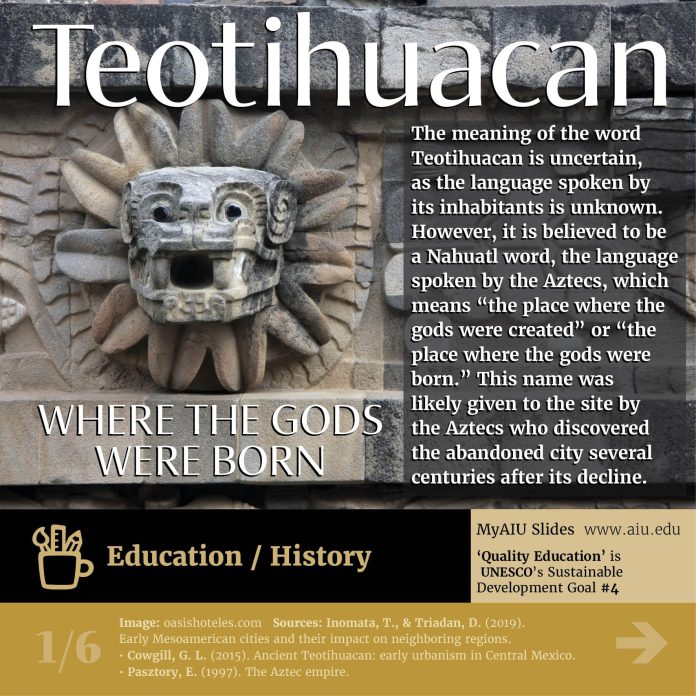
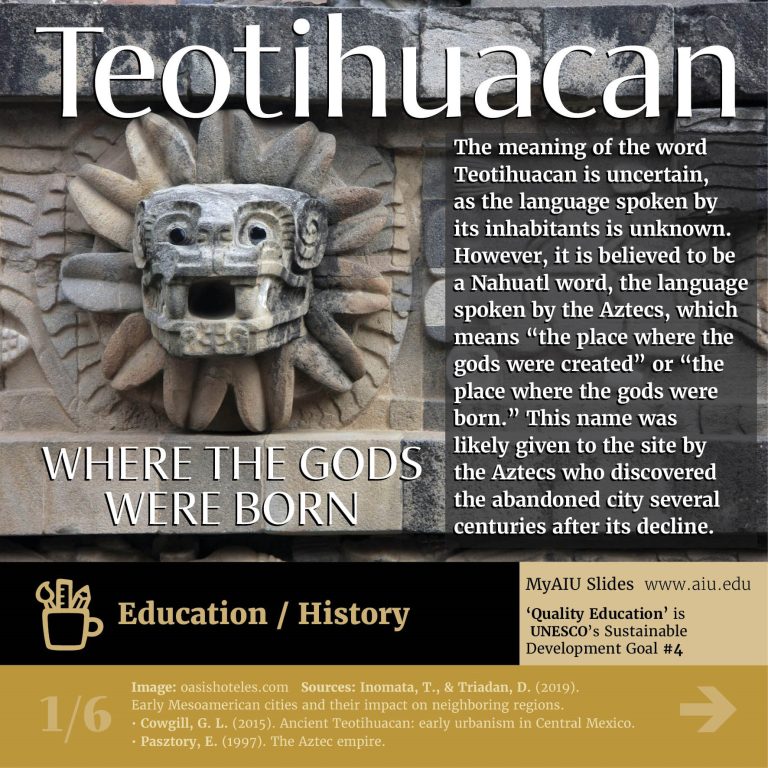
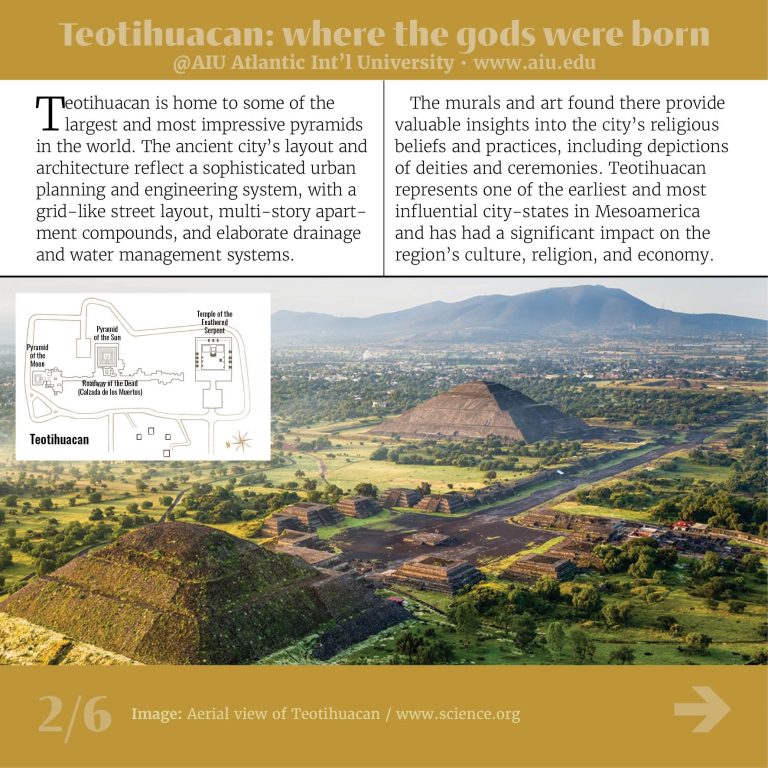
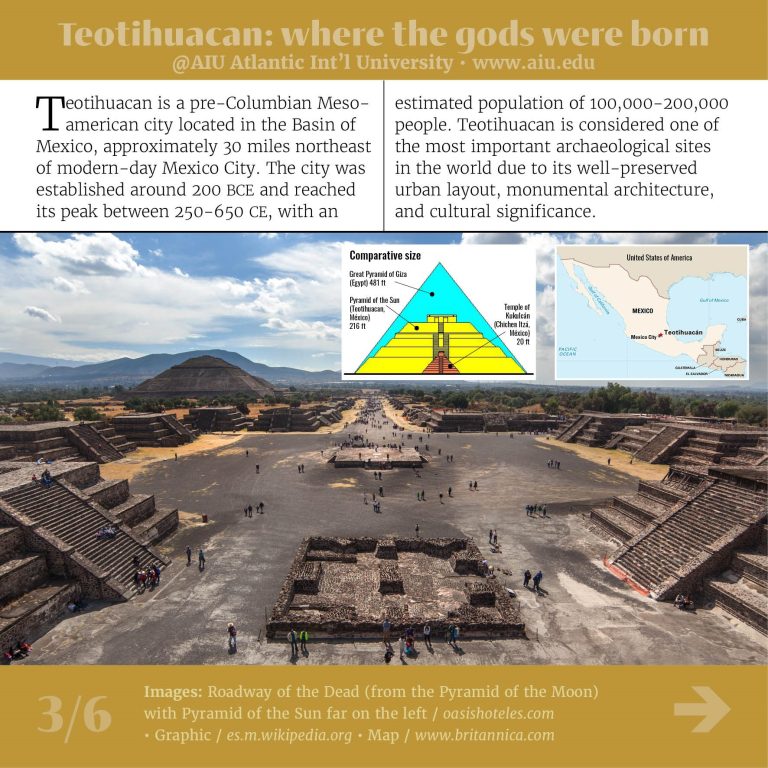
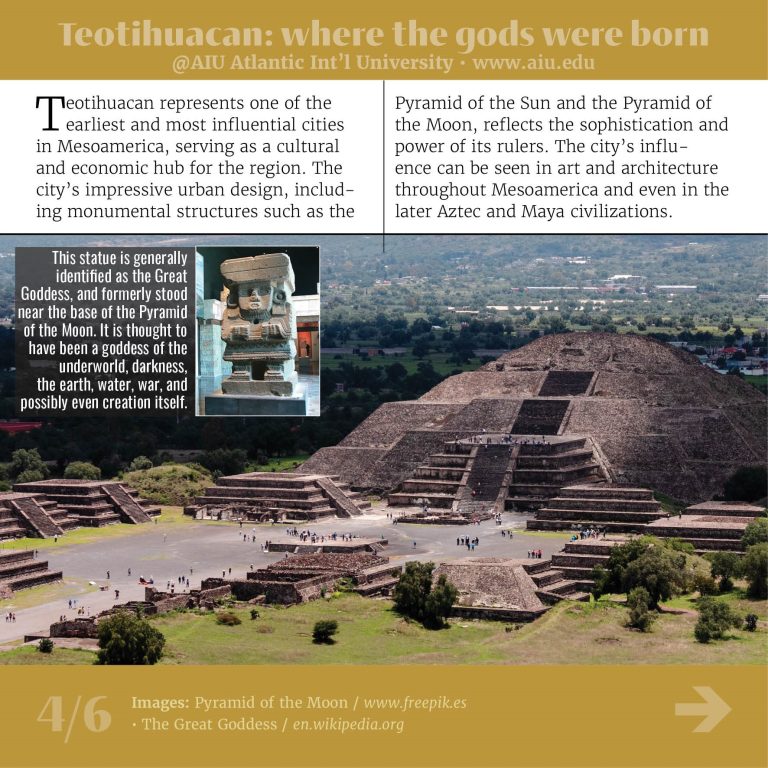
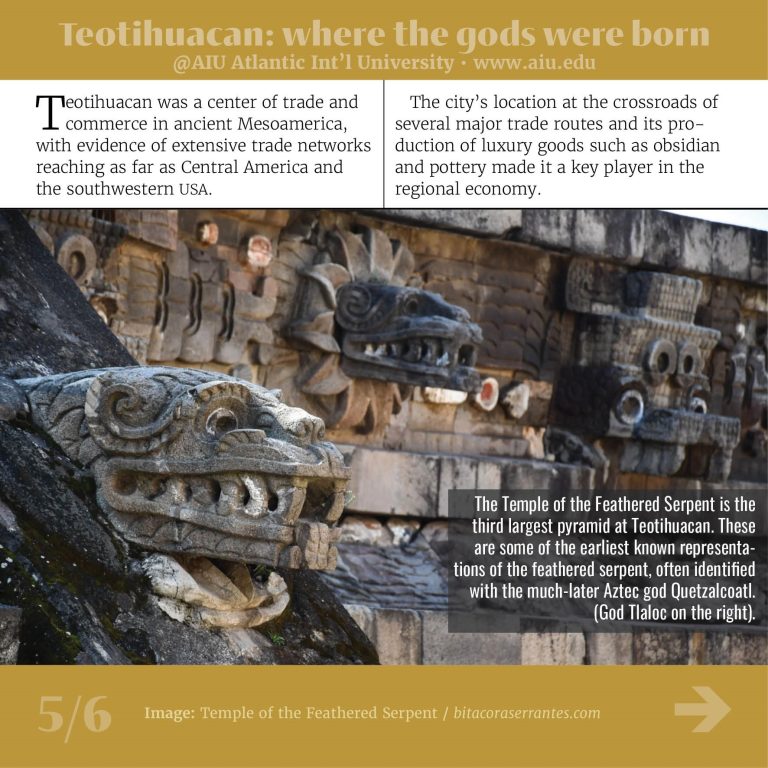
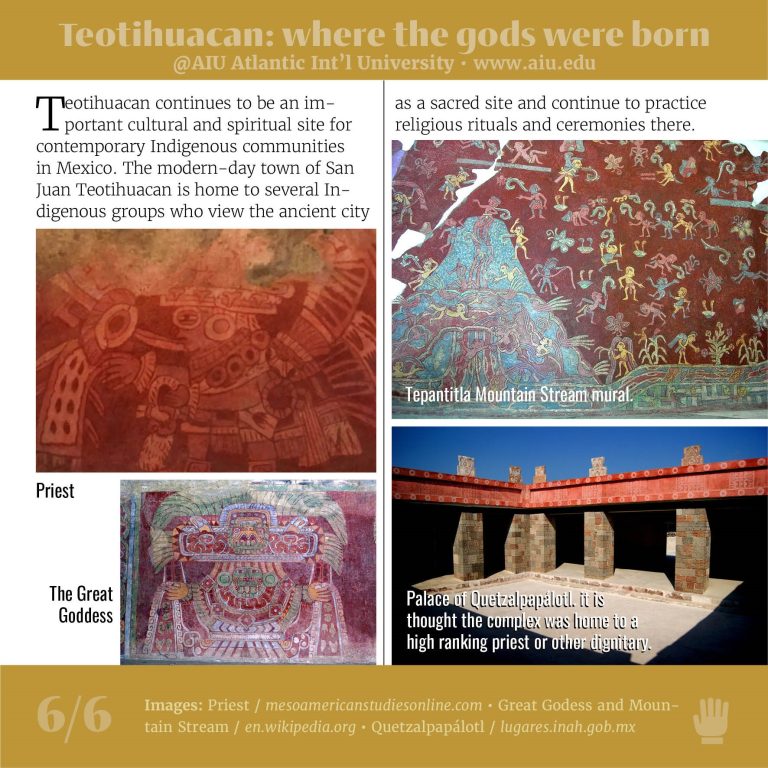
AIU Slides: Teotihuacan where the gods were born

0
AIU Slides: Teotihuacan where the gods were born

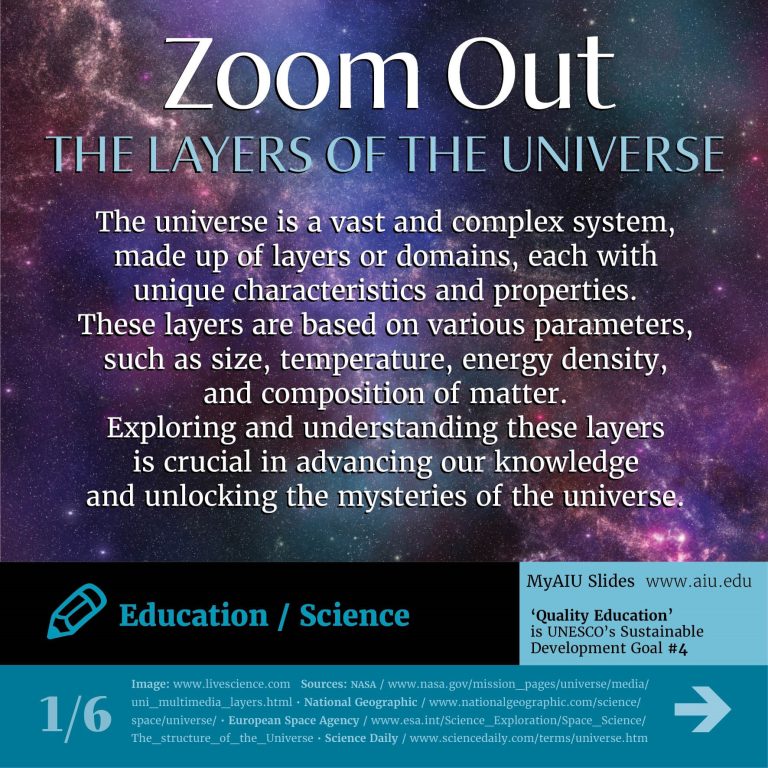
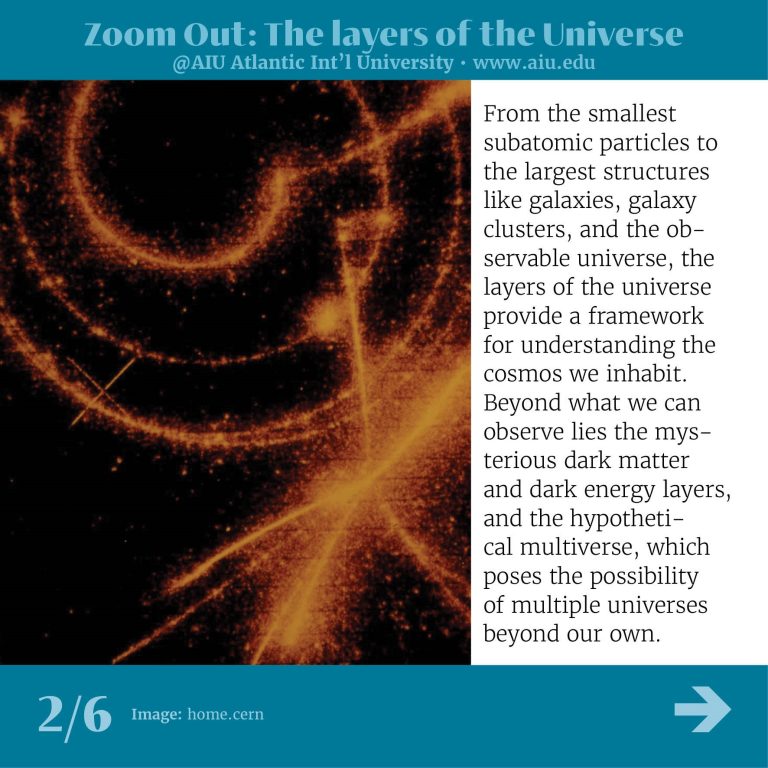
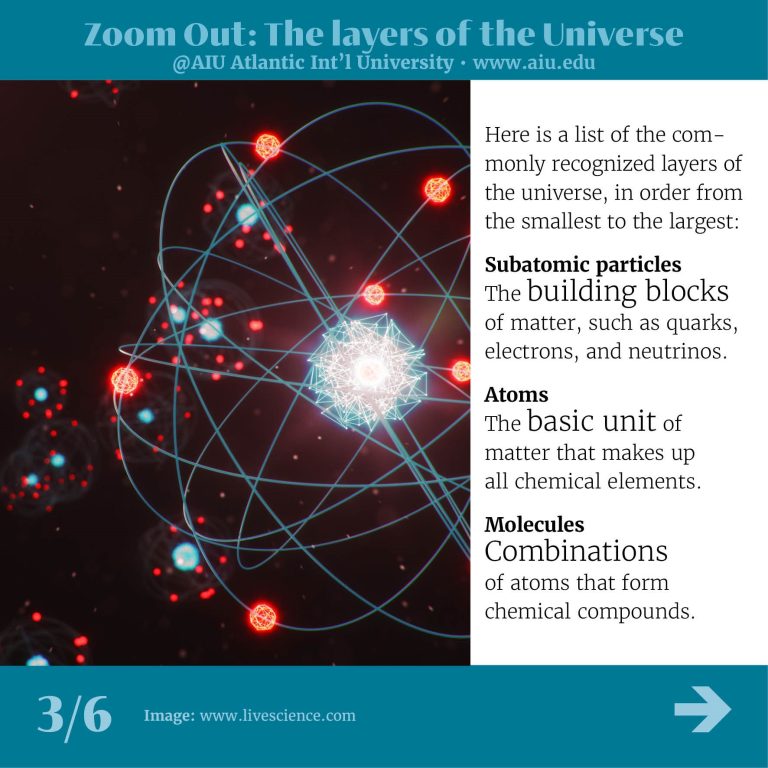
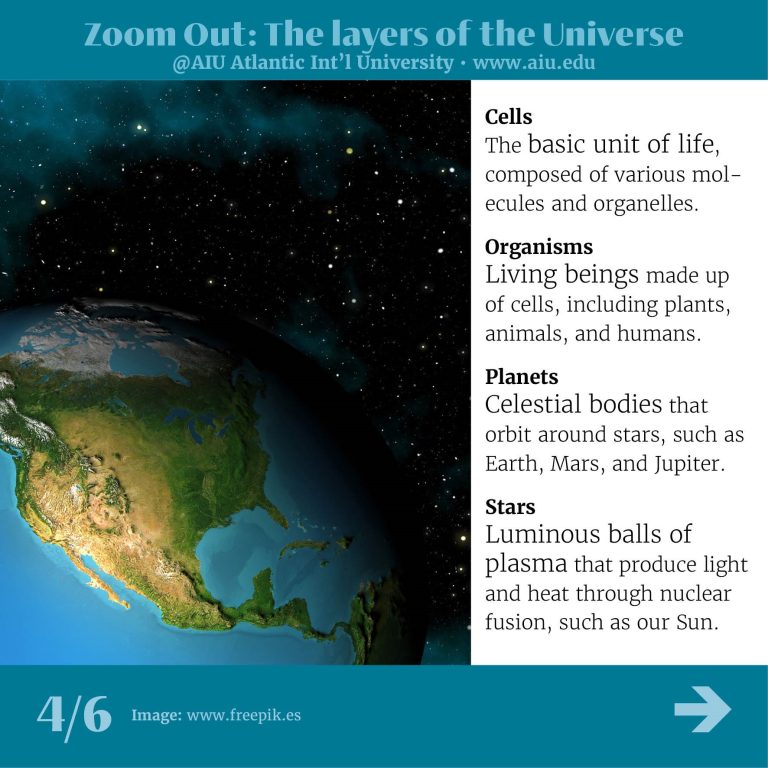
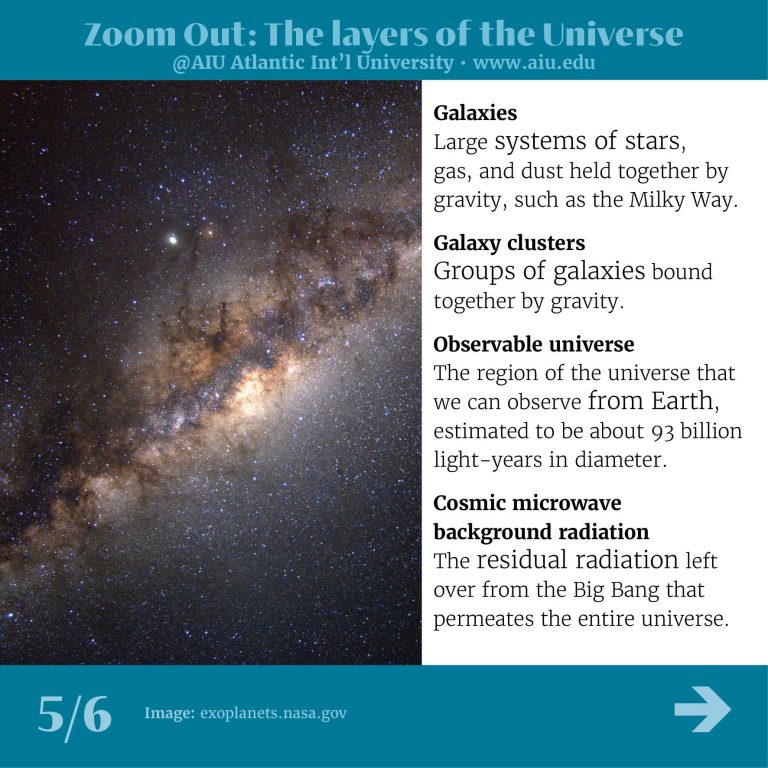
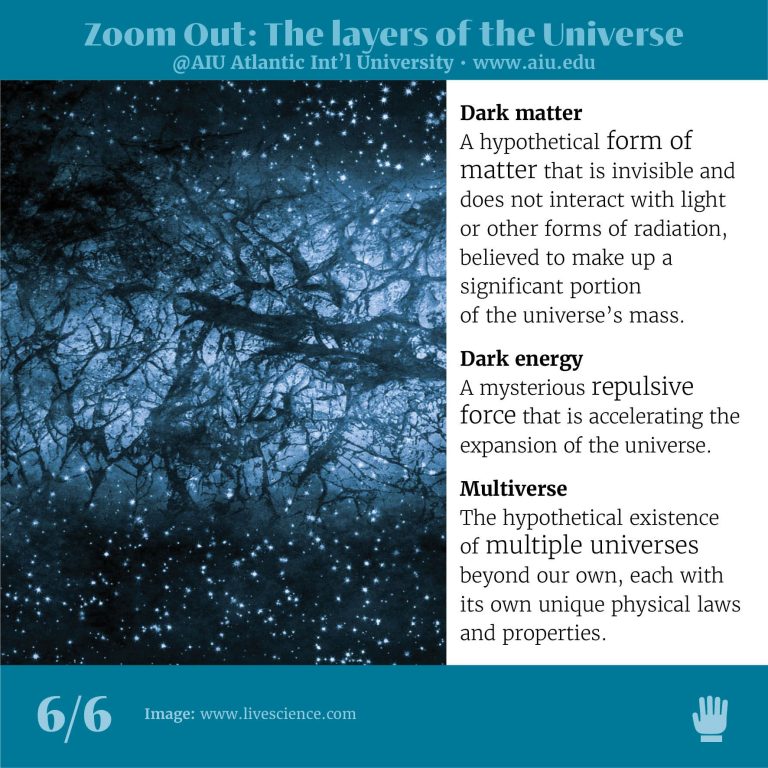
AIU Slides: Zoom Out the layers of the universe

0
AIU Slides: Zoom Out the layers of the universe