




The Relationship Between Test Anxiety and Exam Performance
By Althea Need Kaminske Does test anxiety cause poorer performance on exams? Meta-analyses show that students with higher test anxiety tend to perform worse on exams (1). We also know that anxiety can affect cognitive processes through working memory capacity (2). Therefore, the general consensus is that test anxiety interferes with our working memory, which…

Help Students Believe in Themselves: Self-efficacy Boosts Exam Scores
by Cindy NebelThe six strategies for effective learning are, indeed, effective, but only to the degree that students actually use them. And in order to change behavior, we have to consider motivation. Now, motivation is an entire area of psychology and not one that we pretend to be experts in. There are many different motivational…

GUEST POST: Can Digital Detox Improve your Learning Abilities?
What is a digital detox? The term was coined by founders of Digital Detox company that address the impact of tech dependency with camps, research, and educational programs (10). In Oxford Dictionaries definition, a digital detox is defined as a “period of time during which a person refrains from using their electronic devices, such as…

Digest #162: Teaching Water Safety
By Megan SumerackiWelcome to May! In many parts of the world, the pools have been open for a while, and in New England where I live, many neighbors will start opening their pools over Memorial Day Weekend at the end of the month. Water safety is not just about summer months (lakes even when frozen…
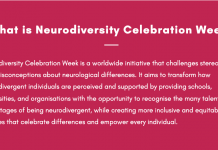
Digest #160: Neurodiversity Celebration Week
By Megan SumerackiThis week, March 21-27, 2022, is Neurodiversity Celebration Week. Siena Castellon founded Neurodiversity Celebration in 2018. In Siena’s words, the week was founded because “I wanted to change the way learning differences are perceived. As a teenager who is autistic and has ADHD, dyslexia, and dyspraxia, my experience has been that people often…

Expanding Retrieval Practice for Preschoolers
By Megan SumerackiToday’s post features a set of experiments conducted by Catherine Fritz and colleagues (1) with preschool children. We have actually cited this paper a few times on our blog, when we covered why the spacing effect has failed to make it into mainstream practice (Part 1, Part 2), and when I wrote about…
Digest #156: Learning (More) About Neurodiversity
By Megan SumerackiI have been learning a lot about neurodiversity and the way we think about divergence vs. disorders. I have appreciated learning about these areas so much, and have appreciated the opportunities to hear experts and those who have experience with neurodiversity (many different types of experiences!) discuss these issues. For example, our most…

Digest #155: The Effect of Stereotype Threat on Cognition
3) Stereotype threat: The consequences of being negatively stereotyped by Dr. Toni SchmaderThis is the lab website for Dr. Toni Schmader, which describes much of the research that has been supported by her lab at the University of British Columbia. The page discusses some of the nuances about stereotype threat that make an important addition…

How Much do Babies Really Learn from Videos?
How much did the babies learn? The babies who watched the video, either alone or with a parent, did not learn any more new words than those in the control condition without any intervention, despite watching the video 20 times over the course of a month. This means that the video did not teach the…
Digest #153: Neurodiversity in Education
By Carolina Kuepper-Tetzel and Chiara HorlinFor today’s digest I teamed up with Dr Chiara Horlin who is a Lecturer (Assistant Professor) in Psychology at the University of Glasgow and an expert in neurodiversity and what role it plays in education. She has co-founded The Neurodiversity Network (see below) as a resource to support and represent…
