Images above by WOKANDAPIX, Yinan Chen, Taken, kieurope, M S, and GSLCMedia, from Pixabay
We are able to categorize, and to generalize. Every time you see a chair that you have never seen before, you don’t have to learn that it is a chair and can be used for sitting. This is because you have learned some general rules for chairs, as well as a prototype for a chair. You have experience with a lot of different types of chairs, so you can group similar items together and flexibly apply the category, in what feels like an automatic way seemingly without even thinking. (Of course, your cognitive system is working even though you consciously don’t realize it!)
We need to be able to do this with what we perceive in the world around us. This is an extremely helpful feature of our cognitive systems. The problem is, we don’t just do this with chairs and desks, or other physical objects. We also do it with people. This may not have been a problem when we lived in small tribes and rarely interacted with people outside of our in group. But now, it leads to what we call implicit bias.
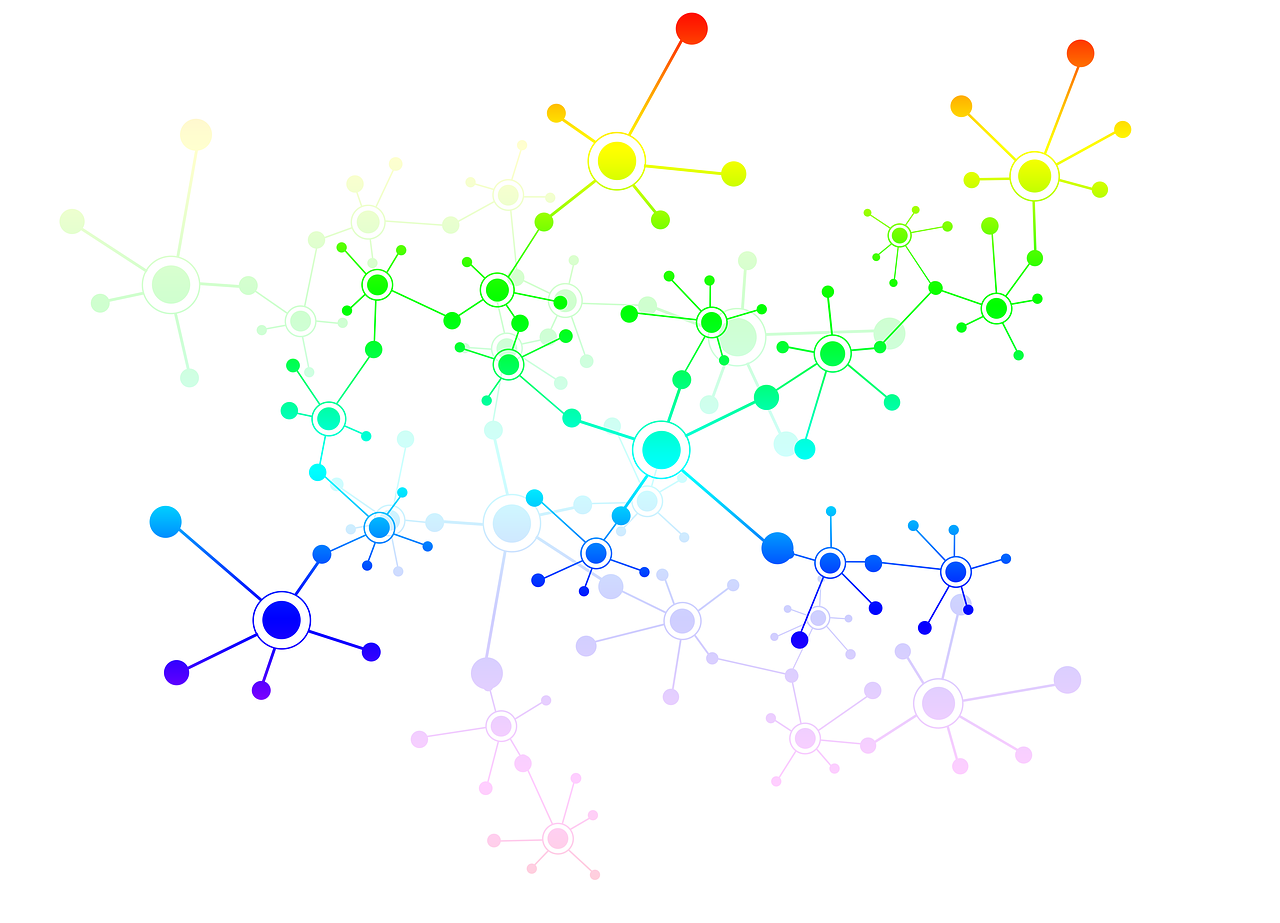
Our experiences, what we see and hear ourselves, what we read, what we are told, are all integrated into our cognitive networks. Automatically, and seemingly without even thinking, we create general rules and prototypes and use those to quickly categorize people. There are countless examples of this, but I find it easier to use a personal example. Imagine, in your mind, what a doctor looks like. What is the first image that pops into your head? For many, this will be a male wearing a white coat. Now, imagine a cheerleader. Was she blonde? Was she the same person that was wearing the white coat when you imagined a doctor?
My sister was blonde when she was little, and was a cheerleader. What is the typical stereotype about blonde cheerleaders? Not very smart, very into their looks, the kind of kid who ditches school, and so on. However, my sister is extremely smart, took school extremely seriously, and ultimately went to medical school and became an OBGYN. I wear glasses, and people call me “Doctor Sumeracki” at my job. But that is because I have a PhD, not an MD. My sister is smarter than me, and you definitely want her in the room if there is a medical emergency and not me.
By the way, because humans built AI language models, and the models are trained on the language we produce, they have bias built into them too. I asked Google Gemini to generate a picture of a doctor. I didn’t give it any other characteristics. Below is the image I got: