fbpx
Home Blog Page 1512

Word + Quiz: flamboyant

0
Word + Quiz: flamboyant

adjective: marked by ostentation and often colorful display

noun: showy tropical tree or shrub native to Madagascar; widely planted in tropical regions for its immense racemes of scarlet and orange flowers; sometimes placed in genus Poinciana

_________

The word flamboyant has appeared in 209 articles on NYTimes.com in the past year, including on Jan. 29 in “Kobe Bryant’s Many Moves to the Net” by Guy Trebay:

“As a young player, Kobe was predominantly donning more casual wear, active pieces, baggy sweatsuits and Michael Jordan Bulls jerseys,’’ said Jamaal Richards, whose Instagram account MoreThanStats is a mother lode of images documenting the transformation of athletes into fashion leaders. “As he grew as a player, a superstar and celebrity, he turned more toward sartorial elegance and sleek bespoke suiting. It was a natural progression for him since he always had that professional mind-state, that mamba mentality.”

Off court as well as on, Mr. Bryant was precise rather than flamboyant, cerebral, reading the public situations in which he increasingly found himself — from magazine photo shoots to red carpets — for their utility to him over the long term.

_________

We Document Life’s Milestones. How Should We Document Death?

0
We Document Life’s Milestones. How Should We Document Death?

Find all our Student Opinion questions here.

Has someone close to you ever died? Are you comfortable talking about death with your family and friends? Do you ever post, or see others post, about death on social media?

In “The iPhone at the Deathbed,” Penelope Green writes about families who are trying to find meaningful ways to honor the deaths of their loved ones:

A mechanic, Mr. Alexander had loved motorcycles, though his health and finances had kept him from being a regular rider. After he was properly adorned, and “looking pretty badass,” as his sister Tawnya Musser said, his siblings and their mother gathered around him, and a brother-in-law took a family photo using his smartphone.

“We couldn’t think of a time when all of us had been together with Mom,” Ms. Musser, 34, said. “So we had the conversation. Did Mom want a photo with all seven of her children and was it morbid that one of them was dead?”

There ended up being several photographs. They are startling and beautiful. Mr. Alexander looks peaceful and regal. The siblings have shared them among themselves, but the images don’t live on social media, as many contemporary death photos do.

In a collision of technology and culture, of new habits and very old ones, we are beginning to photograph our dead again.

For families like Mr. Alexander’s who are choosing home funerals and following natural death practices — D.I.Y. affairs that eschew the services of conventional funeral parlors — photography is an extension and celebration of that choice.

Family members are sitting with kin in hospice, or taking them home from hospitals, and continuing to care for them after they die, often washing their bodies and then adorning them, as Mr. Alexander’s family did, with favorite clothes, flowers, cards, books and other totems. They are sending their dead off as their grandparents used to, and recording the event and its aftermath with their smartphones.

Ms. Green writes that photographing death is not something new:

“In one sense it’s surprising because we’ve been so disconnected from death in the last century or so,” said Bess Lovejoy, the author of “Rest in Pieces: The Curious Fates of Famous Corpses,” published in 2013, of the resurgence of home death photography. Ms. Lovejoy is also a member of the Order of the Good Death, an organization of funeral professionals, artists and scholars that prepare a culture generally in denial about death.

“But we are returning to the older ways,” she went on, “a movement backward that some say began in the ’70s, with the back-to-nature movement and midwifery and natural births. The natural death movement is part of that. And these photos are unsurprising, too, because we carry our smartphones all the time, and it’s almost like if there isn’t a photo it didn’t happen. Now everyone is a photographer.”

Modern photography was born in 1839, when Louis Daguerre refined a process for capturing an image on silver-plated copper. For decades, one of the most common uses of this new technology was the post-mortem photo: an artfully composed image, taken by a professional photographer, of dead family members in all manner of poses. Dead children in the laps of their parents, often with their eyes painted open; dead adults dressed in their finest clothes; even dead parents holding their living children; or entire families, wiped out by diseases like cholera, typhoid or diphtheria, nestled together in bed.

The article looks at the role of social media in allowing individuals to own the narrative of their illness or death:

Cancer patients and others with terminal illnesses have long used photos and videos to bear witness to their suffering and make visible that which is considered off limits — on blogs, Twitter and now TikTok — and have encouraged family members and friends to do so on their behalf when they are no longer able to, pushing visual and emotional boundaries well beyond what may be considered comfortable.

As in the Victorian era, post-mortem photographs of children have a terrible urgency and mission. Now I Lay Me Down to Sleep is an organization of volunteer photographers who make “remembrance portraits” of babies, often of the child in their parent’s arms, to assist in the grieving process.

Oliver Wasow, a photographer, recalled the agonizing images a friend shared last summer of her son’s death to cancer at age 8 on Instagram and Facebook, documenting her child’s devastating decline, and then her own grief.

It was shattering to see — “You couldn’t ‘like’ the photos,” Mr. Wasow said — but he recognized the value it had for his friend. Some people, he noted, say the difference between analog photography and digital photography is that digital photography is a kind of activity, versus analog photographs, which are documents.

“When you throw in social media, it becomes a record of a process rather than a record of a person. Yet the purpose remains the same whether it’s the 19th century or the 21st,” Mr. Wasow said. “It’s about documenting the transition from a physical body to a memory.”

Students, read the article, then tell us:

  • How do you think death should be documented? Some of us may be familiar with funerals or memorial services, but the article also discusses photographing, posting on social media, painting portraits, as well as dressing and adorning the dead. Do any of these practices resonate with your own beliefs or rituals around death? Do any of the practices make you feel uncomfortable? Why or why not?

  • What is your reaction to the Death Positive movement? Why do you think there is mystery, fear and taboo around death? How do you think that death can be demystified?

  • How does your family regard death and mourning? Are the people in your life comfortable thinking and talking about death? What are the traditions specific to your family related to death and mourning? Are there specific religious or spiritual practices you engage in? Or, are there secular rituals that are important for your own mourning or healing process?

  • Do you know how your family’s traditions, celebrations or ceremonies of death have changed from generation to generation? What was your reaction to learning that people in the 1800s would photograph the dead? How do you think our relationship to death will evolve over the next 50 or 100 years?

  • The article refers to, “ … the now common experience of seeing emoji applied to tragic events.” If you were to see photographs of death and mourning posted on social media, how would you interact with, and respond to, it? Ms. Green asks, “Do you choose the weeping smiley face or just hit ‘like’?” If a friend tells you that someone close to them has died, do you feel comfortable responding? Is it easier to respond in person or on social media?


Students 13 and older are invited to comment. All comments are moderated by the Learning Network staff, but please keep in mind that once your comment is accepted, it will be made public.

Lesson of the Day: ‘800,000 Syrians Have Fled in Three Months. This Is What It Looks Like.’

0
Lesson of the Day: ‘800,000 Syrians Have Fled in Three Months. This Is What It Looks Like.’

Find all our Lessons of the Day here.

Featured Article: “800,000 Syrians Have Fled in Three Months. This Is What It Looks Like.”

The Syrian government, backed by Russian forces, has accelerated its monthslong offensive to seize control of Idlib, the last province held by the opposition. Facing heavy bombardment of towns and villages, more than 800,000 people, mostly women and children, have fled their homes since December, joining the largest exodus of Syria’s civil war since it began nine years ago.

The exodus is the largest of a war that has displaced 13 million people and taken hundreds of thousands of lives, and ranks among the largest in recent history, second only to the flight of Rohingya Muslims from Myanmar in 2017.

Turkey, already host to more than three million Syrian refugees, has closed its border with Syria since 2015 to prevent a further influx. That has left the displaced people of Idlib trapped between advancing Syrian and Russian troops and the Turkish border.

In this lesson, you will use a Times interactive to learn more about the humanitarian crisis in Syria. Then you will consider how best to inform the public.

(For more background information on the Syrian civil war, you can read articles here and here or watch this video.)

What do you know about refugees?

Today, 70.8 million people around the world have been forced from home; 41.3 million are displaced within their own country and nearly 25.9 million are refugees, over half of whom are under the age of 18.

A total of 5.6 million Syrians are refugees and 6.6 million more are displaced inside the country. Syria accounts for the world’s largest number of forcibly displaced people.

Before reading, consider the following question: What might force you and your family to abandon your home?

  • What challenges would you face in finding safety?

  • What would you take with you?

  • How would it affect you physically and emotionally?

If you are in a classroom setting, share and discuss your writing with a partner.

Read the featured article, then answer the following questions:

1. How long has Syria been at civil war? Why is Idlib at the center of current fighting?

2. What has caused the latest exodus of people? How has the Turkish government’s decision to close its border with Syria affected Syrians trying to escape the fighting?

3. Why have many Syrians taken refuge in Idlib? How many times have Abu Muhammad and his family fled their home during the civil war?

4. What challenges have Syrians faced in escaping the attacks on Idlib? Describe some of the physical and emotional journeys they have taken.

5. Describe the conditions in the camps and temporary housing many displaced Syrians live in.

6. The article ends:

Europe, Turkey, Lebanon — everyone wants the refugee crisis to go away, and for Syrians to return to Syria.

But that country is so destroyed, its economy so ruined, that people may be living as refugees for years.

Can Syrians ever go home?

What is your reaction to the statement? Do you think Syrians will ever be able to return home — physically, emotionally?

7. Compare your answers from the warm-up activity with what you have learned in the article. How did the article change your understanding of displaced people and refugees? Which statement or image stands out for you as particularly affecting or meaningful? Explain why.

8. If you were to explain what is happening in Syria to someone who knows nothing about the crisis, what would be the three most important things for them to understand?

Choose one or both of the following questions to respond to in writing.

1) Analyze and respond to a photo or video.

Look at the photos and videos featured in the article: What do you notice about them? What questions do they raise? What story do they tell about the crisis in Syria and its displaced people and refugees? Which photo or video do you find most interesting, surprising or memorable?

Choose one image and write about how it illustrates the challenges, courage and resilience of the Syrian refugees.

2) Help inform others about the displacement and refugee crisis.

In the Opinion essay “We Are Left to Face Death Alone,” Waad al Kateab, a filmmaker, writes:

In the past week I have met officials from the House of Representatives and the Senate. In each meeting, I have just minutes to explain what is happening in Idlib. I tell them everything, and it feels like nothing. I don’t believe it will change anything. The Syrian people have been abandoned. Some politicians and U.N. officials tell me they hope for an end to the violence. Others tell me they can do nothing.

We are left to face death alone.

Over the past nine years, we Syrians have been killed in every way possible: by barrel bombs, shelling, guns, chemical weapons, torture, starvation.

But I believe the hardest way to be killed is in silence, so I keep telling our stories. It is my duty, my responsibility as a woman who survived. This is the fate of those who have escaped: to endlessly retell our own stories and tell the stories of others still in Syria.

How can we break the silence and apathy about the humanitarian crisis in Syria? How can we bring greater awareness about what is happening in Syria to the world?

Here are two creative ways you can do this from your classroom:

  • You might use the statistics from this article or your own research to create a “by the numbers” infographic to show the scale and impact of the refugee crisis in Syria — or throughout the world. For example, you might include the number of displaced people or refugees in the past three months, or from the entire Syrian civil war. You don’t need to include every statistic, just those you think are most important.

  • Or you can create a public service announcement using still photographs from this article, or your own research, along with text, statistics and music. You might consider storyboarding your public service announcement, and if you have time, record, edit and share it with your class and your school. Scholastic provides some useful tips and a sample P.S.A. storyboard.

Alligators in the Sewers

0
Alligators in the Sewers

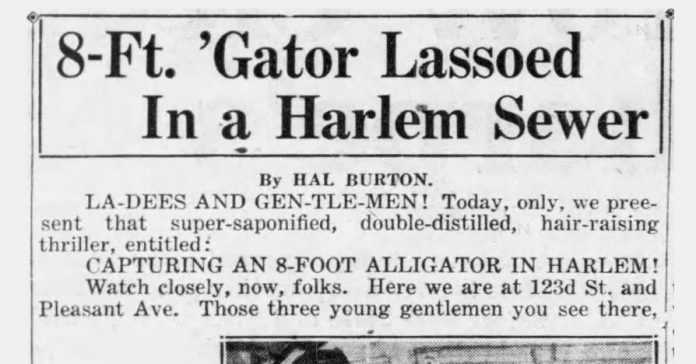
The alligators that supposedly infest New York City’s sewer system may be the city’s most entrenched urban myth. And the tales are “sort of true,” a recent New York Times article reports:

The city rescues several alligators a year, typically former pets that have been abandoned after having outgrown their cute phase.

With every new sighting, the legend gets another boost.

What myths and legends circulate around your hometown or school? How did they start? As far as you know, is there any truth to them? Do you believe them? Have you, personally, ever seen any evidence of these tall tales?

Tell us in the comments, then read the related article to find out more about the alligators in New York City’s sewers.


Find many more ways to use our Picture Prompt feature in this lesson plan. You can find all our Picture Prompts in this column.

GUEST POST: Teaching Golf To Young Kids And Its Benefits To Mental Health

0
GUEST POST: Teaching Golf To Young Kids And Its Benefits To Mental Health

Jordan Fuller is a golf mentor and coach who loves to teach young children and novice golfers the benefits of the game and how to be a better golfer. He also owns a golf publication site, https://www.golfinfluence.com, where he shares tips about golf and how to improve the game.

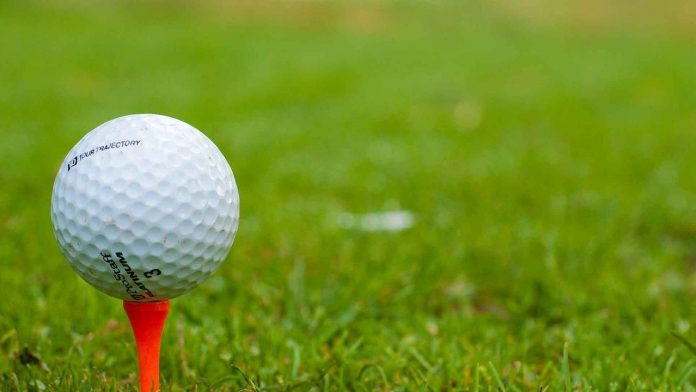
Golf may have the antiquated reputation of being suited only for retired businessmen in Florida, but the game is growing as a sport that positively impacts the physical health of senior adults and improves the mental health of participants of all ages.

For young children, sports can give kids their first taste of social interaction, discipline, and dedication. Although we know the stereotype of parents that push their child too hard to get the college scholarship, in reality, most adults want their kids to participate in sports to receive the social education that sports can provide including the social connection to improved mental health.

In a study on participation in school sport for adolescence, the doctors found the “involvement in school sport during adolescence was a statistically significant predictor of lower depression symptoms, lower perceived stress, and higher self-rated mental health in young adulthood.” (1)

With golf, children can experience an array of behavioral situations that force them to deal with their reactions and overcome their fear and possible anger by taking their time to discover the best way to attack the upcoming hole and post a low score.

Analytical Thinking

Before every shot on the course, a golfer must factor in certain elements such as the wind, the lie of the golf ball, and the club they need, before they take the shot. With each incoming factor, the golfer must take that information and alter their approach to the upcoming swing.

Take, for example, the simple act of putting. For non-golfers, their experience may consist of a few trips to the local putt-putt facility where the carpet is laid on top of concrete and the player hopes to avoid missing the clown’s mouth, but real golf is far more complicated.

When a golfer looks a putt over, they have to factor in the slope of the green, whether they are hitting uphill or downhill and finally if the wind could blow the ball just a hair offline. Taking into account all three of those possible factors, the golfer then must judge the strength they need for the putt.

For a child that hasn’t played the game as much as a seasoned adult, those first few hundred putts are a wild adventure. But as they grow more experienced with the finer elements of putting, they begin to look at the putt more analytically and take into account all of the elements that could push the golf ball away from its intended target line.

In a study on mental imagery and beginning golfers completed in 2005, the authors found that “beginners’ approach shot performance improved most in the group combining physical practice and mental imagery when compared with the group just physically practicing the approach shot.” (2)

Resilience

Golf also provides a gigantic playground of negative feedback that forces the child to rely on their resilience to continue the round. One of the best things that sports can provide a child is an obstacle. Whether that be a physical impediment, like a water hazard or bunker on a golf course, or an emotional obstacle, such as missing a short putt, the child must regroup, analytically approach the shot and execute their game plan.

In the Mental Health & Prevention article, “Effect of playing golf on children’s mental health,”  the author, Carolin Schulze, writes, “the construct of resilience can be understood as a factor for healthy development: those who manifest high resilience experience more positive emotions and can improve both their self-esteem and psychological adaptation reaction.” (3)

One of the big things that Schulze discovered in her study is that the lack of time pressure on the individual, allows the child to focus on the shot at hand and not succumb to anxiety or the lingering effects of a past error on the course.

A child trained in golf can expect to score highly on the resilience scale, a formula psychologists use to determine the effect of negative feedback on the individual.

Fighting Depression

It may seem fairly obvious, but one of the most beneficial ways that golf can help children is by getting them outside and into the sun. From a physiological standpoint, safe sunlight exposure can boost natural Vitamin D levels in golfers. Vitamin D deficiencies can cause fatigue, depression, loss of bone density and the weakening of the immune system. (4)

Studies that have focused on sun exposure have shown that individuals who stay indoors or work at night have trouble with several health markers such as metabolism, the strength of their immune system, and their overall weight.

Another reason to get children outside and into activities, like golf, is that it breaks their dependency on electronic devices such as video games and cellphones. Overuse of electronic devices for children can contribute to disrupted attention spans and diminished learning abilities, two factors that are extremely important when playing golf.

Conclusion

When children are given the time to study and learn the game of golf, they benefit in a variety of ways such as a reduction of anxiety and depression, a boost in their resistance ability to overcome negative situations and they vastly improve their analytical thinking.

Dangerous Numbers? Teaching About Data and Statistics Using the Coronavirus Outbreak

0
Dangerous Numbers? Teaching About Data and Statistics Using the Coronavirus Outbreak

Find all our Lessons of the Day here.

Featured Article: “We’re Reading the Coronavirus Numbers Wrong” by John Allen Paulos

In his recent New York Times Opinion piece, John Allen Paulos, a professor of mathematics, cautions about the way in which we interpret and report disease-related data. In this lesson, you will see what numbers and statistics can tell us about disease outbreaks and how that data can be misinterpreted. Then you will analyze other examples of data reporting in the news and determine how accurate or effective it is.

Respond to the following questions in writing, or engage in a class discussion:

  • What have you heard about the coronavirus? Do you talk about it at school or with friends or family?

  • How do you see coronavirus discussed in the news or on social media? Have you seen memes or TikTok videos about the coronavirus? What tone do these sources take?

  • How concerned are you about the coronavirus? What has influenced how you think and feel about global outbreak?

(Feel free to join our related Student Opinion conversation about these topics. Commenting is easy — it only takes seconds to register, and it’s free — but you must be 13 or older to participate.)

Read the article, then answer the following questions:

1. How can you calculate the case fatality rate for a disease? What are the challenges to determining an accurate coronavirus fatality rate?

2. How do the changing coronavirus numbers in Hubei, China, illustrate how numbers can provide a distorted picture of what is going on?

3. What role does the media play in our understanding of the coronavirus outbreak? Why does Mr. Paulos say, “Constant on-the-nose reporting, however much it seems to serve transparency, has limitations, too.” What do you think? What are the advantages and disadvantages to the 24-hour news cycle?

4. How does the case fatality rate of Covid-19 compare with that of other diseases, based on what we know now? How might the numbers tell a different story as we gather additional data over the next weeks or months?

5. What are some of Mr. Paulos’s suggested remedies?

Teachers: The featured Op-Ed essay creates an opportunity to actively engage with how data is presented and reported. In this activity, encourage students to analyze data and see if they can find other examples of “dangerous numbers.”

Have students search The Times and other news outlets for articles that focus on data. Students could choose to look further at the latest updates on the coronavirus. Or they can search poll numbers for the Democratic primaries, climate change statistics or unemployment data. With an eye on the numbers, students can identify potential misrepresentations and misinterpretations of data, and maybe spot a “numerical optical illusion” of their own.

Here are some questions that can help frame their analysis:

Numbers may seem fixed and unambiguous, but as Mr. Paulos points out, even a seemingly straightforward data point like “number of deaths” can be vague:

The coronavirus might be blamed for the deaths of vulnerable people, especially seniors, already suffering from other illnesses, such as diabetes and other chronic conditions.

Real World Example: Unemployment may seem like a clear concept: People either have a job or they don’t. However, what if a person works only a few months out of the year? Or what if they work multiple part-time jobs at once?

Ask Yourself: Do I really understand the nature of the data? Find out where the data comes from and what it actually represents. Then consider how different interpretations of that data could lead to different conclusions.

When quantities rise and fall, medical officials and news outlets often create a narrative around why that happened; however, those narratives are not always accurate. For example, when looking at the increase in reported cases of coronavirus, Mr. Paulos explains that it could be because the virus is spreading, but it could also be a result of the revised definition of what it means to be “infected” with the coronavirus.

Real World Example: When stock prices rise and fall, there is no shortage of explanations for why it happened. However, it is important to ask if the company’s stock price fell because of a C.E.O.’s poor decision, or because the company just had a bad week?

Ask Yourself: Who benefits from interpreting the numbers in this way? What perspective or bias might they have? For example, is there a reason that one candidate is “surging” when polling at 13 percent, while another is “struggling” with the same numbers? Every story has a narrator, and you want to identify who the narrator is and why he or she is telling the story in a particular way.

There is always more data, so look for related reporting to see what else there is to know. For example, local polling data can be compared with national polling data. And industry averages can help put individual business numbers in perspective, while looking at transportation and travel data can help us understand how outbreaks might be spreading.

Ask Yourself: What else is there to know? Where can I find more data on this subject? This question is particularly helpful to ask when you are trying to paint a picture using data.


Teachers: If there is time, students can present a summary of their findings, including an analysis of how the data was used and interpreted. They can also share whether they think they found any “dangerous numbers.” Student can also offer suggestions on how to improve the reporting and interpretation of the data.

How Concerned Are You About the Coronavirus Outbreak?

0
How Concerned Are You About the Coronavirus Outbreak?

Find all our Student Opinion questions here.

The Centers for Disease Control and Prevention warned that Americans should brace for the likelihood that the coronavirus will spread to the United States. Outbreaks have already occurred in many other countries, such as China, Iran, Italy, Japan and South Korea. How concerned should we be? Should we be doing anything to prepare? What do you think?

In “Most Coronavirus Cases Are Mild. That’s Good and Bad News,” Vivian Wang reported:

As a dangerous new coronavirus has ravaged China and spread throughout the rest of the world, the outbreak’s toll has sown fear and anxiety. Nearly 3,000 deaths. More than 81,000 cases. Six continents infected.

But government officials and medical experts, in their warnings about the epidemic, have also sounded a note of reassurance: Though the virus can be deadly, the vast majority of those infected so far have only mild symptoms and make full recoveries.

It is an important factor to understand, medical experts said, both to avoid an unnecessary global panic and to get a clear picture of the likelihood of transmission.

Does that background make you more anxious? Or do you find it reassuring?

In regions where an outbreak has occurred, such as in Wuhan, China, or the Lombardy region of Italy, government officials have initiated quarantines and closed schools as a way to prevent transmission. Do you think those measures will take place where you live if a local outbreak occurs? Is that something you have been thinking about?

Dana Goldstein and Julie Bosman report on what an outbreak in the United States might mean for schools. The article begins:

Schools in the United States prepare for all manner of disasters and threats, whether hurricanes, mass shooters, tornadoes, influenza or head lice.

But this week, a stark new order came from the Centers for Disease Control and Prevention: Get ready for the coronavirus.

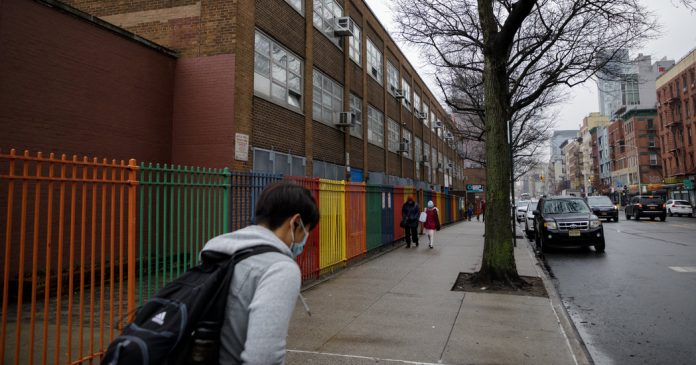
Around the nation, school officials and parents were flummoxed by the sudden warning that if a coronavirus epidemic hit the United States, school buildings could be shut down for long periods of time, leaving children sequestered at home.

In alerting that the coronavirus will almost certainly spread in the United States, Dr. Nancy Messonnier, director of the National Center for Immunization and Respiratory Diseases, said she had contacted her own local school superintendent this week and asked if the district was prepared. She advised parents to do the same. And she suggested that a temporary system of “internet-based teleschooling” could replace traditional schools.

The obstacles to teaching remotely were evident: American children have uneven access to home computers and broadband internet. Schools have limited expertise in providing instruction online on a large scale. And parents would be forced to juggle their own work responsibilities with what could amount to “a vast unplanned experiment in mass home-schooling,” said Kevin Carey, vice president for education policy at New America, a think tank.

The article explores some challenges schools might face in dealing with an outbreak:

Schools are hastily making their own plans, or updating those drafted during previous scares over viruses like H1N1 and Ebola. The Washington State health department held a webinar for about 250 school superintendents on Tuesday to discuss coronavirus preparations, including plans to close schools and allow students to continue to do schoolwork at home.

Dennis Kosuth, a nurse for Chicago Public Schools, said his district’s ability to handle an outbreak could be compromised by circumstances like families who could not afford child care costs to keep sick children at home. Nursing shortages are a concern, too, he said. Mr. Kosuth said he was responsible for nursing care at four schools.

Some Chicago schools also lack rooms dedicated to health needs, Mr. Kosuth said. In one school where many students and staff members became ill with an ordinary infection last semester, “Patient Zero was sitting in the main office coughing and sneezing all over the place” as the sick child waited to be picked up, he said.

On a more positive note, Mr. Kosuth said that evidence from China suggested that children were more resilient to the coronavirus than adults were.

The authors continue:

Many districts have already sent home letters about the coronavirus, asking parents to keep sick children away from school and to remember basic prevention measures such as hand washing, cough covering and vaccination against the flu. They have highlighted C.D.C. advice issued early this month, calling for all travelers returning from China to “self-quarantine” for 14 days.

School officials have often tried to ratchet down panic among parents, reminding families that face masks are not broadly recommended and that the overall risk of infection is low.

But few districts have publicly addressed what would happen to classes in the case of widespread infection and school closings like those that have taken place in China, Italy and Bahrain.

The vast majority of districts have access to broadband internet, but they do not necessarily have expertise in how to effectively organize and teach classes online when schools are shuttered. Further complicating matters, not all families have home computers and high-speed internet. While 90 percent of households with children under 18 had broadband access in 2016, according to federal data, gaps remained along the lines of income, race and education level.

Less affluent families were more likely to depend on smartphones but to lack computers or tablets, which are often needed to fully participate in online learning.

While school districts may not be ready for widespread remote learning, many of the larger districts have had plans for the possibility of pandemics for years, according to Chris Dorn, a school safety consultant with the nonprofit Safe Havens International.

Districts without such plans will need to work with local health agencies to come up with protocols, he said. Among the questions to tackle: Should students at risk for coronavirus who show symptoms at school be transported immediately to hospitals or should they be kept on school grounds until a parent or caretaker can pick them up?

The article concludes:

Closing schools may not be the best option, especially since children appear to be at lower risk of infection, said Amy Acton, the director of Ohio’s health department. Beyond contingency plans for closing, she said, schools need to consider lining up substitute teachers and planning for absences of other staff members, like cafeteria workers. And Dr. Acton said schools can also play another, more traditional, role: science and health education.

“Schools can be telling families what they can be doing to stay healthy, and we can teach about viruses, and what is a zoonotic disease? Why is it important to get a flu vaccine?” Dr. Acton said. “This is a teachable moment.”

Students, read the entire article, then tell us:

  • How concerned are you about the coronavirus? Do you think the fears are overblown or are you thinking and worrying about it a lot? How prepared are you, your family, your school and your community for the possible spread of the virus to where you live?

  • How have you gotten your news about the coronavirus? Do you feel you have received clear and accurate information? What questions do you still have about the virus or the outbreak?

  • Have you discussed the virus in school? If yes, what kinds of questions and issues have been explored? Have you found these discussions helpful? Do you agree with Dr. Acton that “this is a teachable moment”?

  • What, if anything, is your school doing to prepare for a coronavirus outbreak? Do you think your school’s response has been sufficient? What is your reaction to some of the school plans and protocols discussed in the article? Which do you think are realistic for your school?

  • In “How to Prepare for the Coronavirus,” Gina Kolata offers practical tips from experts like washing your hands, keeping a supply of medicines and getting a flu shot:

The best thing you can do to avoid getting infected is to follow the same general guidelines that experts recommend during flu season, because the coronavirus spreads in much the same way. Wash your hands frequently throughout the day. Avoid touching your face, and maintain a distance from anyone who is coughing or sneezing.

What is your reaction to the advice? Do you think you will change any behaviors in light of virus? Do you wash you hands regularly? Will you now?

Film Club: ‘Walk, Run, Cha-Cha’

0
Film Club: ‘Walk, Run, Cha-Cha’

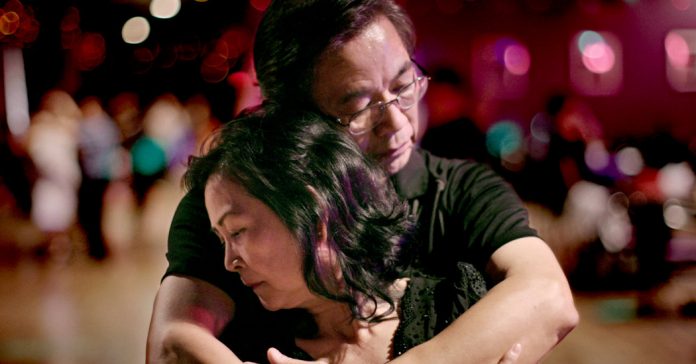
And we’re starting with a twist exercise, slowly. And 2, 3. Very slow. Cha, cha. One, two, three. And Cha cha. 1, good, 2, 3. Cha cha, 1, 2, 3. Cha, cha, 1, good, 2, 3. Cha, cha. Welcome back. 2, 3. Good. I brush my foot. I brought it back. Number eight. Number eight to the side. Cha, cha, 1, 2, and 3 and 4 and single. 2 and 3, 4 and double. 2 and 3 and 4 and 1, 2, and 3 and 4 and single. Very good. 2 and 3. I don’t hear the feet. 2 and yes and 4 and 1, 2 and 3 and 4 and 1. Back 2, 3, cha, cha, 1, legs, 2, 3. Cha, cha, 1, 2. Yea, yeah. Eyes up. Cha, cha, 1, 2, 3. Cha, cha, 1, 2, 3. Cha, cha, 1, 2, 3. And cha, cha, 1, good, 2, 3, and cha, cha, 1, good, 2, 3. [music] Before I learned dancing, you know, I can only use my body to walk, to swim, to run. Today, I can use my body to reach another level of freedom. I wish I could have danced earlier at my age. But better late than never. We’re lucky to have an opportunity and the right time, maybe the last time. Back in Vietnam, we dance to rock and roll. I love Bee Gees. And I can sing all Carpenters song. What was called the foreign music, foreign music tend to be very romantic, very, very sexy. When I first met Paul, he was shy, so shy. I didn’t think he is my type. But I remember he invited me to his birthday party. You have to remember that dancing, in those day, in Vietnam, it is illegal to have dance party at home. You can get in trouble. But we organize a party anyways. He being gentleman, stretch out hand, shall we dance? We dance like what they call slow dance, just like two of us, like close. I feel he shaking. I am too. I vividly remember he can dance. I start becoming his girlfriend, because we in love so much, so in love. I told my father, we have to leave the country to escape the communist Vietnam. The communist, something very soon right now, anytime. If you do business, they go after you. But my mom was a real business woman. So soon enough, they start to come to arrest my mom, say, you have to give up your house. You have to give up your factory. When we escape, we know we take the chance of the lifetime. Either we die on the ocean or if we get caught and we get sent home, we’d have nothing left. Is that O.K., my hair? Yeah. O.K. One day he came. He say, tomorrow, I have to leave. I’m sorry. I could not bring you. And then, he left. We were not sure whether we would see each other again. (SINGING) Oh, my love. My darling. Santana. (SINGING) Oye como va. Yeah. Cha, cha? You know? (SIGNING) Where do I begin? I don’t have — No. I don’t think so. On the record. Hey, hey. What are you talking about? We already at that age. You already — We already there. [music] I am an auditor for the state of California. Some people, they think, oh, yeah. It’s good, good exercise, they say. But then they know we go compete. We go perform. We have the best professional teacher from Ukraine. If one day my co-worker, they will see me dance, they will be shocked. They will never think I can dance the way I dance with my husband. Totally different two people. I work as an engineer. We work full time. We can afford to retire. Our daughter has her own life right now. So we go to the club, at least four nights per week, taking group lesson, private lesson, and dance on the floor, three hours in the evening. Why am I spending so much time dancing? Am I crazy? When I came to America, I was scared. We got nothing, really. I love her and care for her. I felt very sorry that I couldn’t bring her with me. But I don’t want to give empty promise or anything. It felt really, really hard to accept. I didn’t hear from him for six months. And then, I get a letter from him. So romantic. He say, even in his dream, he remember my name. I started writing a lot of love letter to him. I was so eager to get out. I talked to lawyer about the immigration petition process. I prepared to argue my case for her. I told her, there’s a possibility that I can get you out. It might not be successful. The letter become so slow. He cannot always think of me, right? But then, I received a notice from the embassy saying that I was allowed to leave Vietnam. I was so happy. Paul did so much effort. I was excited. But you know, after this long separation, there’s a lot of uncertainty. I don’t know whether we will be still the right kind of person for each other. We only met for six months. And we were separated for about six years. Los Angeles, California. Once I got out from the plane, I saw Paul. I don’t know how to feel. He looked a little bit like distant. He took my hand. And I feel weird, because we lost that feeling. After a few days, he says, why don’t we start over? Stretch. Your hands are on her shoulders. Don’t mess up — my shoulder. Good. And then, it goes on her head. 3, take her head. Take it. Take her head. O.K., O.K., O.K., O.K., O.K., O.K. I got it. Make it real. And to 2. Take it very slowly. 2 across and ronde, 3. Good. Very solid. [inaudible] walks, 4, and ronde, 1. Walking out when. She does the spiral, remember, we close. Don’t send her out. Hold her so she does the [inaudible] spin with you. Another [inaudible] spin. O.K. I got it. Bringing the legs — Yeah. I know. I already — Yeah, then you — The other way, honey. I’m going to lift you right now, O.K.? Run. Oh, wow. Oh. No, no. Hold on a sec. I’m going to do it again. Suddenly — O.K. Go. Oh, no, no, no. It’s not down there. It’s under her ribs. Yeah, yeah, yeah. Can you please show me how you would send your wife there? It’s not — Oh. No, no. That’s presenting. Opposite. I want you to like reach. Like you want her to come back, but — O.K. You want me to — Yeah. Reach. Your body. You follow it. You follow that. A little bit early, early, early. And bring it back. Remember, motion creates emotion. O.K. Motion will create emotion. O.K. And it goes backwards too. Emotion makes motion. Motion create emotion. Come on. Come on. He have no emotion. That’s why. Give him some. [inaudible] Good. Down. [music] When we came to this country, we have one goal. We want to establish our lives. Back then, we didn’t have the luxury to enjoy life, not exactly knowing what it means to enjoy life. Now, we have to learn something new. We know we don’t have a lot of time left. We’re making up for the lost time. [Music] (SINGING) We’ve only just begun to live. White lace and promises. A kiss for luck and we’re on our way. Before the rising sun, we fly. So many roads to choose. We’ll start out walking and learn to run. Sharing horizons that are new to us. Watching the signs along the way. Talking it over, just the two of us. Working together day to day. Together. And when the evening comes, we smile. So much of life ahead. We’ll find a place where there’s room to grow. Sharing horizons that are new to us. Watching the signs along the way. Talking it over, just the two of us. Working together day to day. Together. Together. And when the evening comes, we smile. So much of life ahead. We’ll find a place where there’s room to grow. And yes, we’ve just begun.

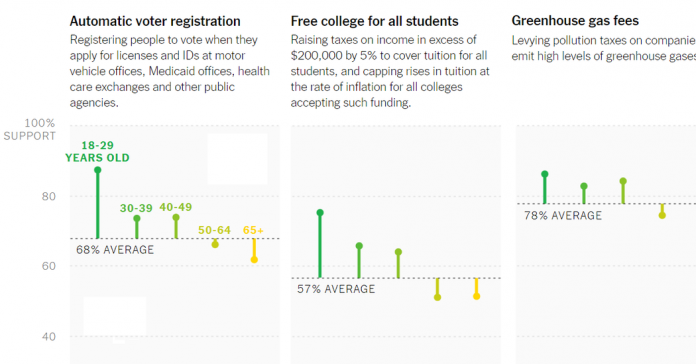
What’s Going On in This Graph? | March 4, 2020

0
What’s Going On in This Graph? | March 4, 2020

These graphs, which show the support by voters of different age groups on four political questions, appeared elsewhere on NYTimes.com.

By Friday morning, March 5, we will provide the “Reveal” — the graphs’ free online link, additional background and questions, shout outs highlighting student comments and headlines, and Stat Nuggets.

  • What do you notice? If you make a claim, tell us what you noticed that supports your claim.

  • What do you wonder? What are you curious about that comes from what you notice in the graphs?

The questions are intended to build on one another, so try to answer them in order. Start with “I notice,” then “I wonder,” and end with a catchy headline.

2. Next, join the conversation by clicking on the comment button and posting in the box that opens on the right. (Students 13 and older are invited to comment online. Teachers of younger students are welcome to post what their students say.)

3. After you have posted, read what others have said, then respond to someone else by posting a comment. Use the “Reply” button or the @ symbol to address that student directly.

On Wednesday, March 4, our collaborator, the American Statistical Association, will facilitate this discussion from 9 a.m. to 2 p.m. Eastern time to help students’ understanding go deeper. You might use their responses as models for your own.

4. By Friday morning, March 6, we will reveal more information about the graphs at the bottom of this post. Students, we encourage you to post an additional comment after reading the reveal. How does the original article and the moderators’ comments help you see the graphs differently? Try to incorporate the statistical terms defined in the Stat Nuggets in your response.


  • Read our 2019-20 introductory post, which includes the archives of past releases by topic and graph type.

  • Learn more about the “Notice and Wonder” teaching strategy and how and why other teachers are using this feature from our on-demand webinar.

  • Sign up for our free weekly newsletter so you never miss a graph, and add our 2019-20 “What’s Going On in This Graph?” live-moderated discussion Wednesdays to your Google calendar (12/11, 1/8, 1/15, 1/22, 1/29, 2/5, 2/12, 2/26, 3/4, 3/11, 3/18, 3/25, 4/1, 4/8). Graphs are always released by the Friday before to give teachers time to plan ahead.

  • Go to the A.S.A. K-12 website, which includes This is Statistics, resources, professional development, student competitions, curriculum, courses and careers.

What Students Are Saying About Vegetarianism, Parental Advice and How We Listen

0
What Students Are Saying About Vegetarianism, Parental Advice and How We Listen

Though it may seem reasonable to seek advice or help from your parents, in my case it does not rest the same. Growing up with immigrant parents was difficult, in the aspect that they were not as open enough to me and were highly strict with their parenting terms. Their strictness may have prevented me from opening up to a relationship with them, but for many cases found in immigrant families, it is more likely, causing more signs of anxiety and depression.

— Vanessa Gonzalez, John H. Francis Polytechnic High School

My issue is when I try to talk to my mom about situations that are happening in my life, she nicely tells me that it’s my fault that I’m in the situation and then gives me a lecture about knowing right from wrong and other similar subjects. First of all that’s not helpful second it makes me feel attacked and then I don’t want to talk anymore. So I don’t tell myself much of anything unless I really have to. Although I wouldn’t mind telling my mom everything going on in my life, it just never goes well for me.

— Daleah Vallardo, California

It’s hard and uncomfortable for me to share my problems with my parents because they don’t always react how I want them to. Sometimes they say that it’s my fault, so I don’t really talk to them about my issues, because I think I can handle them on my own. Also, I know that they’re busy and don’t have time, so I don’t bother them with stuff. I don’t ask for help on anything. I only ask if I’m desperate. They say I shouldn’t be asking for help much, and I should try to figure it out on my own.

— Catherine Jonathan, J.R Masterman

Telling our parents about our issues can sometimes be the biggest problem. For example I find that whenever I receive a bad grade, or fail to do something, my issue is never really that I am worried about what I can do to fix it, but how my parents will react to the news. Because of this I only feel comfortable talking to my parents about certain things, like teachers, or other topics not related to grades and schoolwork, that happen at school.

— Valeria, J.R. Masterman

Usually I’m the type to hold on my feelings until I decide I’ve had enough, I do that with my friends and my family. I speak my mind when I need to and I say what I have to say, but when it comes to my feelings, they are harder to express. Often times, going to my mom isn’t the easiest or most comfortable option I have. When I go to my mom, I have to gather up courage to face my mother in a raw, letting go of my pride sort of way in order to tell her how I feel.

— Jessica Elkotbeid, Los Angeles, CA

This is to parents; We teens act mostly on our emotion, especially when we have it all bunched up in us. And when we turn to you guys for help, we expect that you guys would be there to tell us it’ll be ok. Instead some parents are criticize our thoughts because sometimes they think it is too immature …

— zero, Upper Merion High School, PA

When a pile of stress is dropped on us, we get lost and feel alone when we don’t know who to turn too. Parents try to help in any way they can, and they usually try to help by give advice. However, in the eyes of a teenager, parents seem to be criticizing our every move when we are only look for a support system. For parents and teens to overcome this obstacle, it is best for parents to know that we are not always looking for a solution.

— Jamyah Bernard, Wekiva High School, Apopka FL