By Karla Lassonde
Karla Lassonde is a Cognitive Psychologist and has been teaching Psychology at Minnesota State University, Mankato, for 14 years. One of her research and teaching passions is student learning and attention. Some of this work focuses on how misconceptions in psychological science can be revised. She works on various outreach projects to promote a better understanding of psychological science. One is her student led blog called, Communicating Psychological Science. Another is a program for training students to be better learners called LEARN. She can be found on Twitter @karlalassonde, on her blog and on her personal page. Karla has published a few guest blog posts on The Learning Scientists Blog, including one on naps, one on collaborative inhibition, and another on phone use.
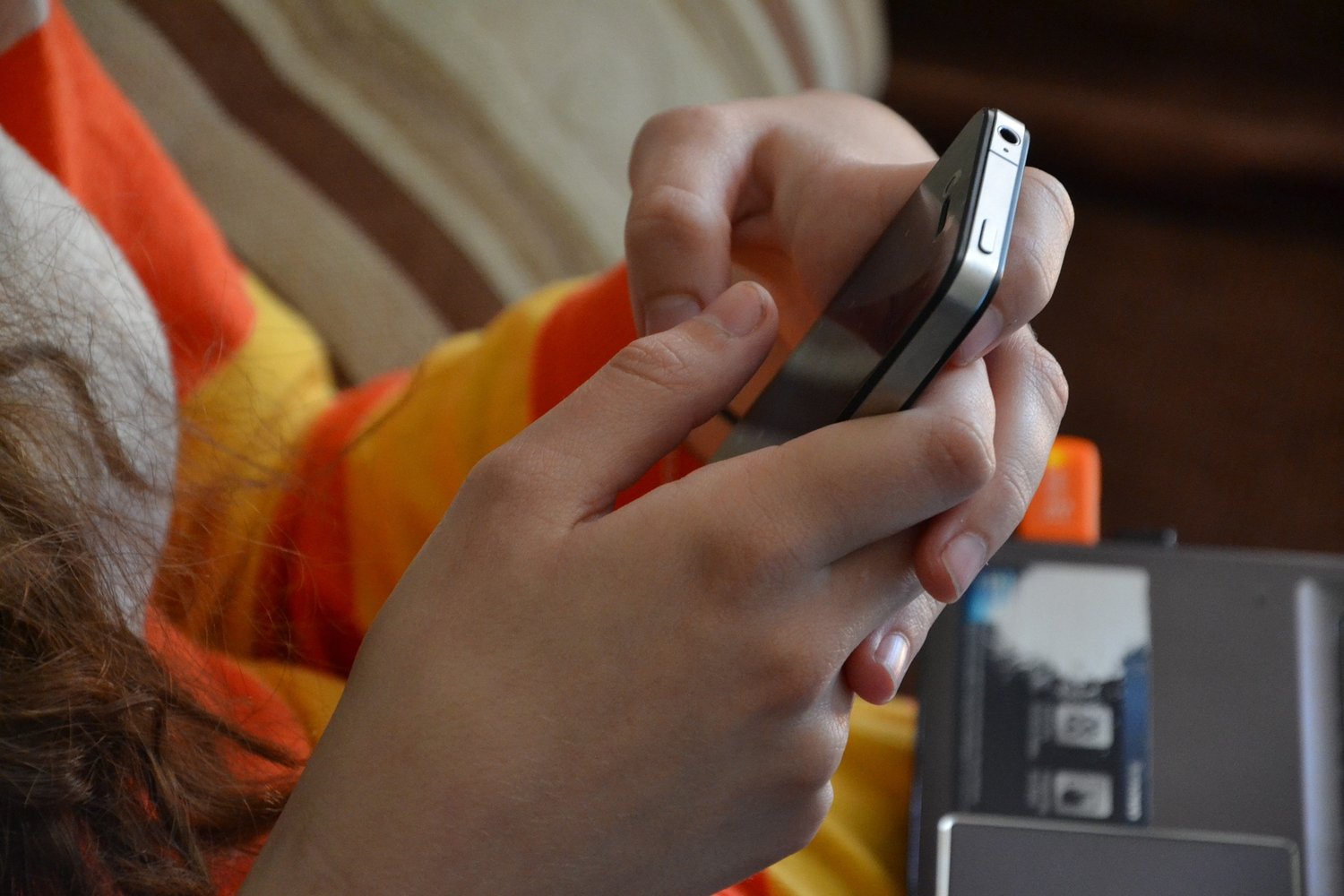
Students have immediate access to their work on a smartphone. According to Pew research [1], 85% of Americans own a smartphone, with that large number increasing to 96% for adults ages 18-29. College students universally own smartphones. Kara Sage in her research on college student use and perception of online work, found that 60% were using their phones for coursework [2]. Just because a student can complete coursework on their phones, should they?
With the pandemic leading to permanent changes in remote work and an increase in online learning, it is important to let Cognitive Psychology inform best practices in smartphone learning.
Using our phone is often about access and availability. It takes time and workspace to open a laptop and nothing is more portable than our phones. The first generation of smartphones, over a decade ago, allowed us to “offload” a ton of information so that it no longer had to be written down or remembered. Early adopters saved time by using their phones to note appointments, store numbers, and find out the location of the nearest coffee shop. Today phones are used most often to watch social media content. Students might agree that their phones suck up rather than save time! Reviews.org surveyed 1,000 participants over 18 and found they checked their phone an average of 344 times a day and would be on track to spend 44 days in 2022 on a phone [3]!
Smartphones of today though can be a necessary part of learning. Here are some best practices and guidance for when to use it and when to avoid it!